When people ask, what if spouse agrees to divorce, they are usually hoping for one thing – a simpler path. In Texas, an agreement between spouses can make the process much more manageable, but it does not mean the divorce is automatic or paperwork-free. You still have to meet legal requirements, prepare the right documents, and make sure the terms are clear enough for the court to approve.
If both of you are on the same page, that usually points to an uncontested divorce. For many Texas couples, this is the least expensive and least stressful option. It can reduce conflict, shorten delays, and help both people move forward without turning a family matter into a drawn-out court fight.
What if spouse agrees to divorce in Texas?
If your spouse agrees to divorce, the case may qualify as uncontested. That means neither spouse is fighting the divorce itself, and both sides are able to agree on the major terms. Those terms often include property and debt division, whether either spouse will pay support, and if children are involved, conservatorship, visitation, child support, and decision-making responsibilities.
The key point is that agreement has to cover more than just saying, “Yes, I want a divorce too.” A spouse can agree that the marriage should end but still disagree over the house, the children, retirement accounts, or monthly support. When that happens, the divorce is no longer fully uncontested.
An agreed case works best when both spouses are willing to be realistic, responsive, and organized. If one person keeps changing positions or refuses to sign finalized documents, the process can stall quickly.
Why agreement matters so much
In Texas, an uncontested divorce generally moves more efficiently because the court does not need to resolve major disputes for you. You still have to file the case correctly and wait the required statutory period, but you avoid many of the expensive and time-consuming steps that come with contested litigation.
That matters for practical reasons. Court hearings, formal discovery, and attorney battles can increase cost and stress. By contrast, an agreed divorce focuses on preparing accurate documents, following filing procedures, and presenting a complete final order for the judge to sign.
For couples who want closure and stability, that difference can be significant. Agreement does not erase the emotional side of divorce, but it often keeps the legal side from becoming harder than it needs to be.
What has to be agreed on before filing or finishing
A common misunderstanding is that every detail must be settled before the divorce is filed. In reality, one spouse can file first and the parties can finish working out terms during the case. Still, the divorce cannot be completed as an agreed case until all required issues are resolved.
Property and debt
Texas courts expect the final decree to explain who gets what. That includes the home, vehicles, bank accounts, retirement benefits, credit card balances, loans, and personal property. Even couples with modest estates should be specific. Vague agreements create problems later.
Children
If you have minor children, the court will pay close attention to the parenting terms. Texas divorces involving children typically address conservatorship, possession and access, child support, medical support, and sometimes tax-related issues. Parents may agree on these terms, but the court still has to find that the arrangement is in the childrens best interest.
Support between spouses
Some couples waive spousal support. Others negotiate temporary help or contractual alimony. Whether that issue is simple or complicated depends on income, need, and the overall settlement.
The basic process when both spouses agree
When the answer to what if spouse agrees to divorce is yes, the next step is not guessing – it is following the Texas process carefully.
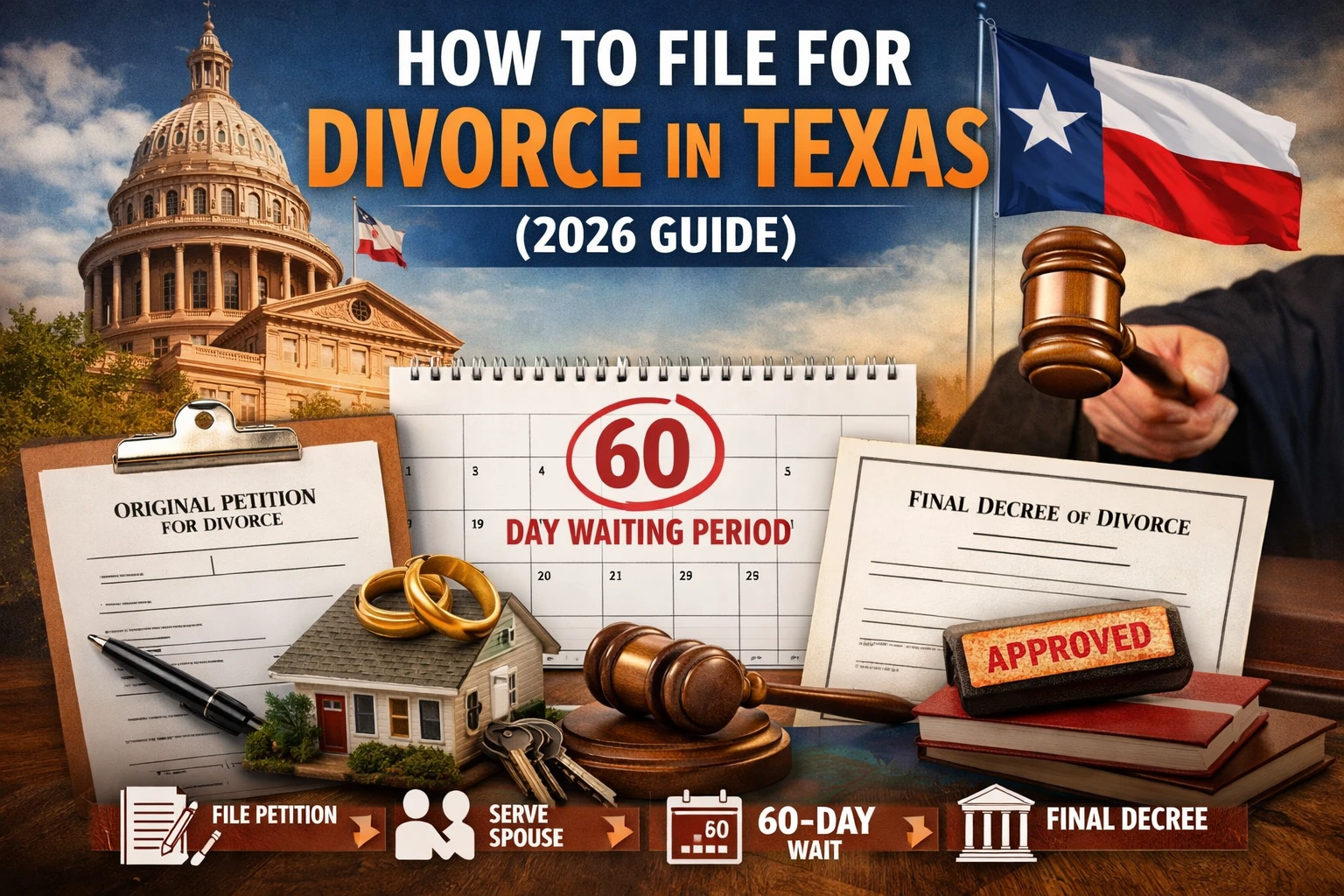
One spouse starts by filing the Original Petition for Divorce in the proper Texas county. After filing, the other spouse usually signs a Waiver of Service or files an Answer, depending on the situation. That step tells the court the other party is aware of the case and is not ignoring it.
Texas also has a mandatory waiting period in most divorces. In general, at least 60 days must pass between the filing date and the date the divorce can be finalized. Many people are surprised by this. Even in a fully agreed case, the judge usually cannot sign the final decree before that waiting period runs.
During the case, the spouses prepare the final divorce paperwork. The most important document is usually the Final Decree of Divorce, which lays out the full agreement. If children are involved, there may be additional required forms. If retirement is being divided, more specialized orders may also be needed.
At the end, one spouse appears for the prove-up hearing, unless local procedure allows another approved method. The judge reviews the paperwork, confirms that the legal requirements are met, and signs the decree if everything is in order.
Where agreed divorces still go wrong
An agreed divorce is simpler, but simple does not mean foolproof. A lot of delays come from paperwork errors rather than legal disagreement.
One common issue is incomplete property language. Another is using forms that do not actually fit the familys situation, especially when children, retirement accounts, or real estate are involved. Some couples also think verbal agreements are enough. They are not. If it is not written clearly into the final decree, it may be difficult to enforce later.
County procedure can also matter. Filing rules and scheduling practices may differ in places like Dallas County, Tarrant County, Harris County, or Bexar County. The law is statewide, but the practical filing process can vary enough to trip people up.
Timing creates problems too. A spouse may initially agree, then stop responding. Or both people may agree on the big picture but avoid the final details because the conversation is uncomfortable. That kind of delay can turn a straightforward case into a frustrating one.
Does agreement mean you do not need help?
Not necessarily. If both spouses agree, you may not need a traditional courtroom battle. But many people still need help preparing documents correctly, understanding filing steps, and making sure their decree covers what it should.
That is especially true for people who want to keep costs down without taking unnecessary risks. Procedural support can be valuable when you want a practical, affordable path but do not want to guess your way through Texas divorce paperwork.
For many agreed cases, the real challenge is not conflict. It is compliance. Missing forms, incorrect language, and filing mistakes can slow things down even when both spouses are cooperating.
When an uncontested divorce may not be the right fit
There are situations where agreement on paper is not enough. If there has been family violence, intimidation, hidden assets, serious power imbalance, or ongoing dishonesty, an uncontested approach may not be appropriate. The same is true when one spouse feels pressured to sign just to get the case over with.
There are also gray areas. For example, a couple may agree in general but have a complicated house refinance issue or a difficult retirement division. That does not always mean the case must become contested, but it may mean the paperwork needs more care than expected.
The right question is not just whether your spouse agrees to divorce. It is whether both of you can reach clear, informed, workable agreements that can be properly documented under Texas law.
What to do next if your spouse agrees
Start by gathering the facts. Confirm where the case should be filed, what property and debts exist, whether children are involved, and what terms still need to be resolved. Then make sure the documents match the reality of your situation.
If you are aiming for an agreed divorce, speed comes from preparation, not rushing. The more clearly the terms are worked out at the front end, the smoother the filing and finalization process tends to be.
Ready Divorce Service helps Texans who want that kind of straightforward path – one built around accurate paperwork, practical guidance, and a process that keeps moving.
If your spouse agrees, that is a strong starting point. Treat it like an opportunity to finish the divorce carefully, affordably, and with fewer setbacks so you can get to the other side with more peace of mind.
📲 Call us now at (800) 432-0018