When divorce paperwork is already stressful, trying to understand it in a second language can make a hard situation feel impossible. If you are looking for spanish speaking divorce help texas residents can actually use, the real goal is not just translation. It is clear guidance, accurate paperwork, and a process that helps you move forward without extra confusion or cost.
For many families, the biggest problem is not whether they want the divorce. It is whether they can get through the Texas process correctly. That matters even more in an uncontested divorce, where both spouses may agree on the major terms but still need to file the right forms, meet deadlines, and follow county procedures. A missed detail can slow everything down.
What Spanish speaking divorce help in Texas should actually include
Good support goes beyond answering a few questions in Spanish. It should help you understand whether your case is a fit for an uncontested divorce, what documents are required, how the waiting period works, and what happens from filing through finalization.
That distinction matters. Some people only need help understanding the forms and steps. Others need legal advice because there is conflict over property, debt, child custody, or support. The right kind of help depends on the facts of the case.
If both spouses agree on key issues, a streamlined service can often make the process more manageable and less expensive than a contested court fight. If there is intimidation, hidden assets, family violence, or major disagreement, the safer path may be to speak directly with an attorney.
When an uncontested divorce is a good fit
An uncontested divorce usually works best when both spouses agree to end the marriage and have reached agreement on major terms. That can include who keeps certain property, how debts will be handled, whether either spouse will change their name, and if children are involved, the parenting and support terms.
This does not mean the situation is emotionally easy. It simply means the legal issues are not being fought over in court. For many Texas couples, that difference saves time, money, and stress.
Spanish-speaking clients often benefit from a process that explains each step plainly, especially when legal vocabulary can be unfamiliar even in English. Terms like Original Petition for Divorce, waiver, prove-up, and final decree can sound technical. They become much easier to manage when someone explains what each document does and why it matters.
Spanish speaking divorce help Texas clients often need most
The first need is clarity about eligibility. Texas has residency rules. In general, one spouse must have lived in Texas for at least six months and in the county of filing for at least 90 days. People often worry that moving recently or living apart changes everything. Sometimes it does, sometimes it does not. The details matter.
The second need is help with paperwork. Even agreed divorces require careful preparation. Names must match prior records, dates must be correct, and the requested terms must be stated clearly. If children are involved, the parenting provisions need extra attention because courts expect specific language and complete information.
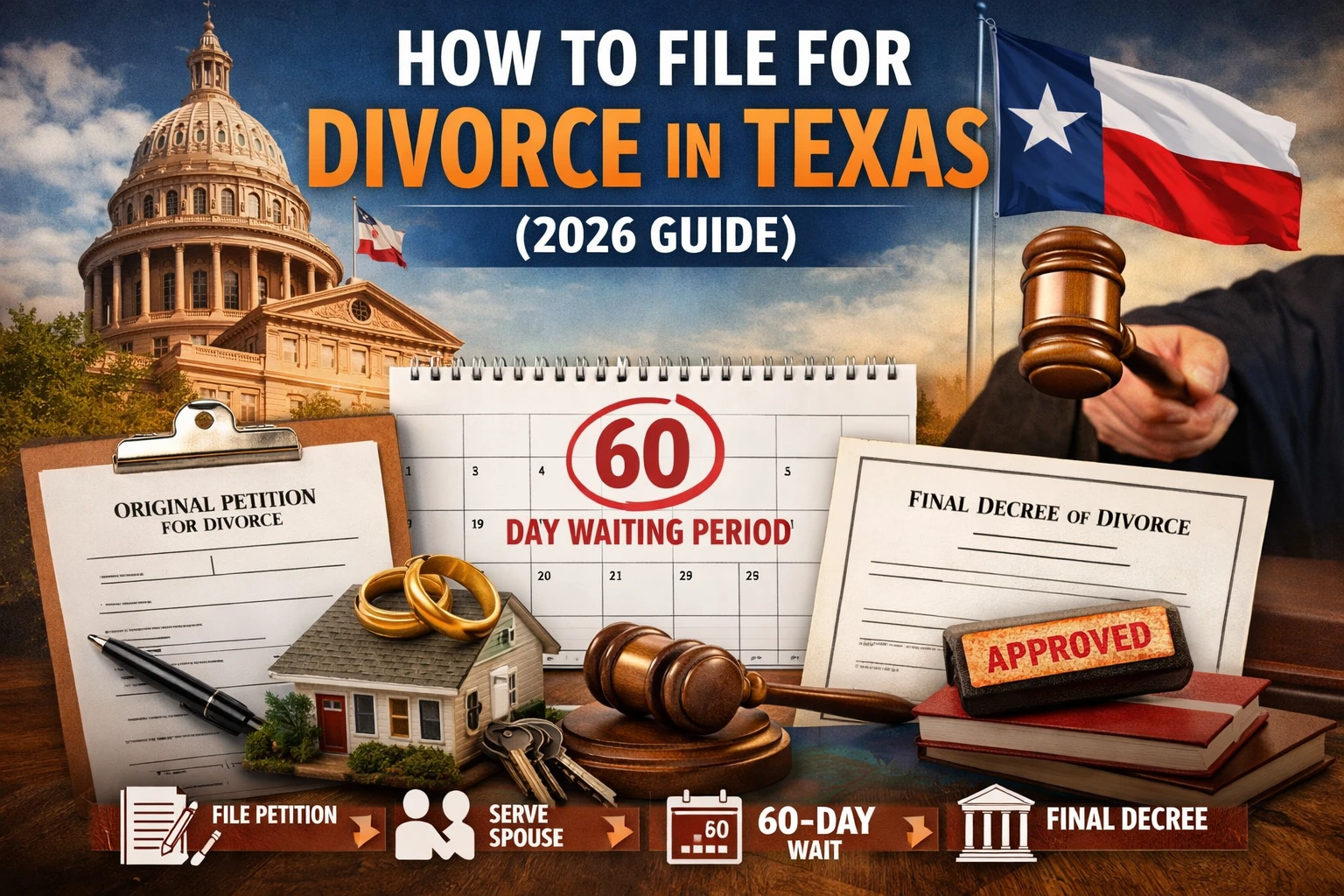
The third need is procedural guidance. Filing is only one step. Clients also need to know about service or waiver, the 60-day waiting period in most cases, any county-specific filing practices, and what must happen before the divorce can be finalized.
The fourth need is confidence. Many people delay starting because they are afraid of making a mistake. Practical bilingual support reduces that fear. It helps people stop guessing and start moving.
Common concerns for Spanish-speaking families
One common concern is cost. Many people assume divorce always means hiring a full-service attorney and paying thousands of dollars. That may be true in contested cases, but it is not the only path. When spouses agree, document preparation and procedural support can be a more affordable option.
Another concern is privacy. People may worry about asking questions, especially if they have never been through the court system before. A calm, respectful process helps clients ask what they need to ask without feeling embarrassed.
There is also concern about children. Parents want to know whether an agreed divorce can still protect their children and create clear parenting terms. In many cases, yes. But the details must be handled carefully. Child-related issues are often where simple paperwork turns into something more serious if not prepared correctly.
Finally, some people worry that language barriers will cause delays or lead to signing something they do not fully understand. That is exactly why bilingual, Texas-focused support matters. You should know what you are filing and why.
How the Texas divorce process usually works
In a typical uncontested Texas divorce, one spouse files the initial petition with the court. After that, the other spouse is formally notified or signs a waiver, depending on the circumstances. The case then moves through the required waiting period.
During that time, the final paperwork is prepared. If the case involves children, additional forms and requirements may apply. Once everything is ready and the waiting period has passed, the divorce can move toward finalization.
The exact process can vary somewhat by county. Filing procedures in places like Dallas County, Tarrant County, Harris County, or Bexar County may differ in practical ways, even though the Texas rules are statewide. That is another reason local process knowledge is useful. People do not just need the law in general. They need to know how the paperwork is handled where they are filing.
What to look for in spanish speaking divorce help texas services
Start with Texas-specific experience. Divorce rules are state-based, and forms are not one-size-fits-all. General online information can create more confusion if it does not match Texas procedure.
Next, look for support that is built around uncontested cases if that is your situation. A service focused on agreed divorces is usually better at explaining the practical steps, common filing issues, and timeline expectations for that type of case.
Also pay attention to how information is communicated. Clear bilingual support should feel direct, respectful, and easy to follow. If explanations are vague, rushed, or overly complicated, that can create more stress rather than less.
Affordability matters too, but cheaper is not always better if the process is disorganized. The best value is accurate preparation and dependable guidance that helps you avoid delays.
Cases that may need more than procedural help
Not every divorce should be handled as a simple agreed case. If one spouse refuses to cooperate, if there is a dispute over custody, if someone is hiding money, or if there has been abuse, the situation may require legal representation rather than document support alone.
That is not a failure. It just means the case needs a different level of protection and strategy. A practical service should be honest about that. Good guidance does not force every case into the same box.
This is especially important for people who feel pressured to sign quickly. If you do not understand the terms or do not truly agree, stop and get clarity before moving forward. A fast divorce is only helpful when the outcome is also fair and understood.
Why bilingual process support can reduce stress
Divorce has enough emotional weight on its own. Adding confusion about court forms, deadlines, or legal terms can make people freeze. Bilingual support helps turn a vague, intimidating process into a sequence of manageable steps.
That does not erase the emotional side of divorce, but it can remove unnecessary obstacles. People are more likely to complete their case when they understand what is happening, what is required next, and what documents they are signing.
For many Texans, that kind of support is the difference between putting things off for months and finally getting closure. A service such as Ready Divorce Service can be helpful when the goal is an affordable, agreed divorce completed with clear guidance and fewer procedural headaches.
If you are searching for spanish speaking divorce help texas families can rely on, look for more than a translation of forms. Look for a process that is understandable, affordable, and built for the way Texas divorce actually works. The right help should leave you feeling informed, steady, and ready for the next step.
📞 Get Started Today – Your Peaceful Divorce Is Just a Click Away
When you’re ready to move on, we’re ready to help.
📲 Call us now at (800) 432-0018
🖥️ Start your divorce online today