If you and your spouse are trying to keep things civil, the real question is often not whether to fight in court. It is whether an agreed divorce vs mediation in Texas makes more sense for your situation. Both options can reduce conflict and cost, but they are not the same process, and choosing the right one can save you time, money, and a lot of frustration.
An agreed divorce works best when both spouses already agree on the key terms. Mediation is usually the tool that helps you get to that agreement when you are close, but not quite there. That distinction matters because many people assume mediation is a type of divorce case by itself. In Texas, it is better understood as a negotiation method. An agreed divorce is the legal case structure.
What an agreed divorce means in Texas
In Texas, an agreed divorce is an uncontested divorce where both spouses are on the same page about the major issues before the final paperwork is signed. That usually includes property and debt division, whether either spouse will pay support, and if there are children, conservatorship, possession schedules, child support, and medical support.
The court still requires proper filing, legally compliant forms, and a final decree that reflects the agreement. But there is no full-blown dispute for a judge to decide. That is why agreed divorces are often faster, less expensive, and less stressful than contested cases.
This option is usually the best fit when communication is still workable and neither spouse is trying to hide assets, punish the other person, or drag out the process. It also helps if both people are motivated to finish the divorce efficiently.
What mediation does in a Texas divorce
Mediation is a structured settlement meeting led by a neutral third party called a mediator. The mediator does not act as the judge and does not represent either spouse. Their job is to help both sides work through disagreements and try to reach a workable resolution.
In some Texas divorces, mediation is voluntary. In others, the court may require it before a final trial. Either way, mediation is often useful when spouses agree on most things but remain stuck on one or two issues, such as the house, a retirement account, or a parenting schedule.
If mediation succeeds, the spouses may sign a mediated settlement agreement. That agreement can then be used to prepare final divorce documents. So mediation can be the bridge that turns a nearly agreed divorce into a fully agreed one.
Agreed divorce vs mediation Texas: the core difference
The simplest way to understand agreed divorce vs mediation Texas is this: agreed divorce describes the status of the case, while mediation is a process used to resolve disagreements.
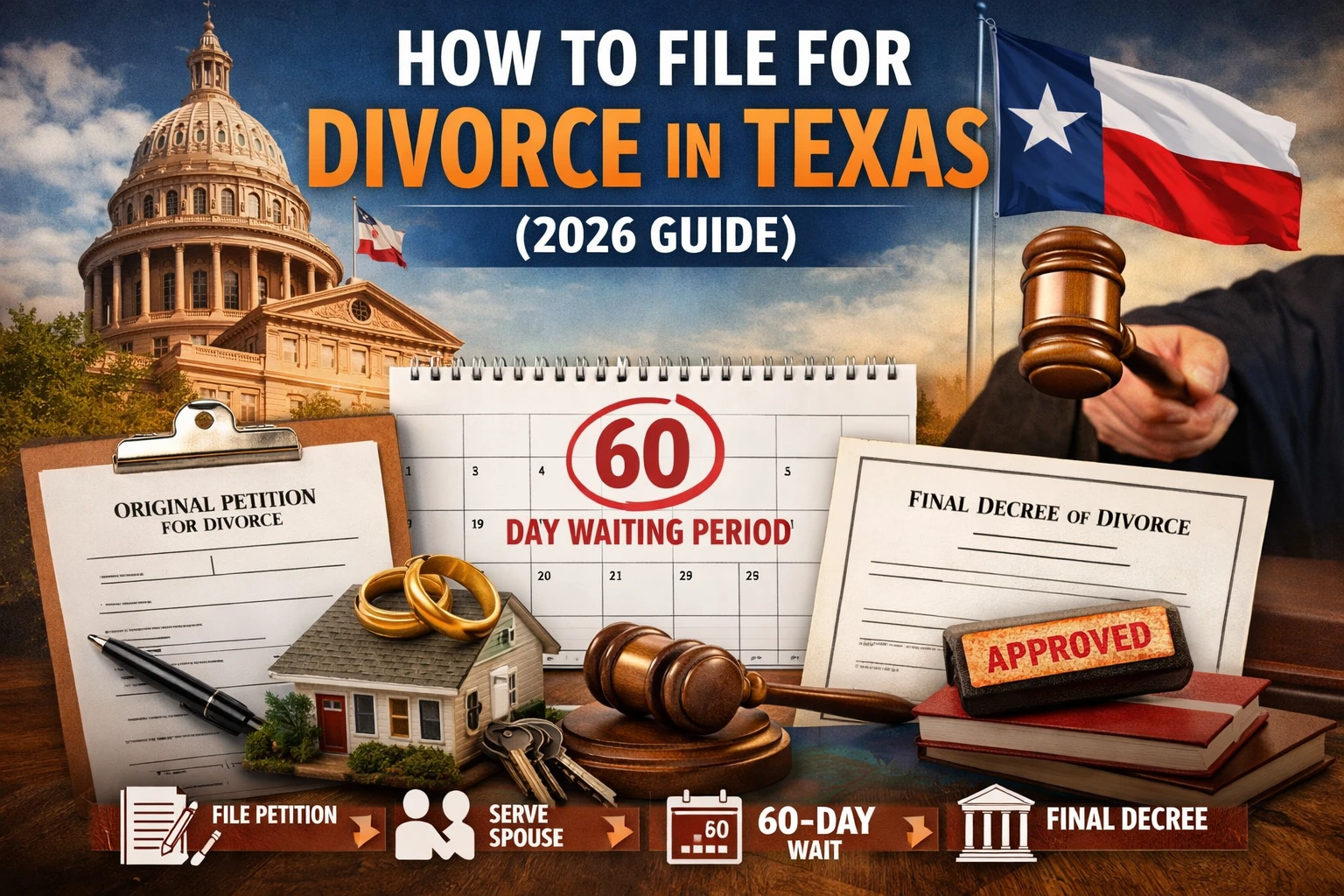
If you already have a full agreement, you may not need mediation at all. You can move forward with the agreed divorce process, prepare the required documents, file the case, observe the Texas waiting period, and finalize the divorce.
If you do not yet have a full agreement, mediation may help you get there. But mediation by itself does not replace the need for filing the divorce properly or entering a final decree. Even if a mediator helps resolve every issue, the divorce still has to be completed through the Texas court process.
That is why these two terms are not really opposites. In many cases, they work together. A couple may start apart, use mediation to settle disputes, and end with an agreed divorce.
Which option is more affordable?
For most couples, an agreed divorce is the lower-cost path. If you and your spouse already know how you want to divide assets and handle parenting issues, you can avoid the added expense of paying a mediator for multiple sessions.
Mediation still costs far less than a contested court battle in many situations, but it is an extra layer in the process. You may be paying for the mediator’s time, possible attorney review, and additional drafting work if the agreement changes several times.
That said, mediation can still save money when the alternative is open conflict. If one or two difficult issues are preventing settlement, paying for mediation may be much cheaper than pushing the case toward hearings, discovery, or trial preparation.
The better question is not just which option costs less on paper. It is which option helps you resolve the case without expensive delays or mistakes.
Which one is faster?
When the agreement is already in place, an agreed divorce is usually the fastest route. Texas has a mandatory 60-day waiting period in most divorce cases, so no matter how cooperative both spouses are, there is still a minimum timeline to respect. But if paperwork is accurate and the terms are settled early, the case can often move efficiently toward finalization once that waiting period is complete.
Mediation can speed things up when spouses are stuck but still willing to negotiate. It can also slow things down if the disagreement is deeper than it first appears. Some couples resolve everything in one session. Others need several rounds of negotiation and still do not settle.
Speed depends less on the label and more on your level of agreement. A true agreed divorce is usually quicker than mediation. Mediation is quicker than litigation when it works.
When an agreed divorce makes the most sense
An agreed divorce is often the strongest option when both spouses have already discussed the practical details and are ready to cooperate. Maybe there are no children, limited property, and no major dispute about debt. Or maybe there are children, but both parents already understand the schedule they want and how support should be handled.
This path also makes sense for people who want procedural help, document preparation support, and a clear roadmap without paying for full attorney-led litigation. For many Texans, that combination of affordability and structure is exactly what keeps the process manageable.
Still, agreed divorce only works when the agreement is real. If one spouse is saying yes just to keep the peace and plans to object later, the process can unravel. Clarity at the start matters.
When mediation is the better move
Mediation is worth considering when you are close to settlement but need help getting through a sticking point. That may happen when emotions are high, communication keeps breaking down, or both spouses want to settle but cannot agree on the final details.
It can be especially useful in divorces involving children because parenting issues often carry emotional weight even when both people mean well. A mediator can help keep the conversation focused and practical.
Mediation may also help when one spouse is more comfortable negotiating with a neutral person present. Some couples simply communicate better in a structured setting than they do by text, email, or informal conversation.
Situations where neither option is simple
There are cases where an agreed divorce is not realistic, and mediation may not be enough. If there is family violence, intimidation, hidden assets, severe power imbalance, or complete refusal to negotiate, the case may need stronger legal intervention.
The same is true if one spouse will not participate in good faith. Mediation depends on both people being willing to engage honestly. Agreed divorce depends on both people being willing to sign off on terms they actually accept. Without that, the lower-conflict path may not hold.
This is where honest self-assessment matters. Choosing the cheapest option does not help if it leads to an unenforceable agreement or major omissions in your final decree.
Practical questions to ask before choosing
Before deciding between agreed divorce and mediation, ask yourself a few straightforward questions. Are all major issues already resolved? Can both spouses communicate without the discussion falling apart? Is there trust that financial information is being shared honestly? Are child-related terms mostly settled, or are they still a source of conflict?
If your answers point to broad agreement, an agreed divorce is likely the cleaner path. If your answers show that you are close but still blocked, mediation may be the step that gets you over the finish line.
For Texas couples who want to avoid unnecessary legal fees, the key is matching the process to the reality of the case. Not every disagreement requires a courtroom. But not every case is ready to be called agreed on day one.
The value of getting the paperwork right
Even when the divorce is fully agreed, the legal paperwork still has to be done correctly. Texas courts require specific forms, required language in many cases, and final documents that accurately reflect the terms the spouses accepted. That is especially important when children, real estate, retirement accounts, or detailed debt allocations are involved.
A process-oriented service can help reduce errors, keep the case moving, and make the path feel less overwhelming. That is often where people save the most stress – not by forcing a dispute into court, but by getting organized support for a divorce that should have been straightforward from the start.
If you are weighing your options, do not assume you have to choose conflict just because you are not fully aligned yet. Sometimes mediation helps create agreement. Sometimes the agreement is already there, and you simply need a clear Texas process to finish what both of you have already decided. The right next step is the one that moves you forward with less confusion and more confidence.
📞 Get Started Today – Your Peaceful Divorce Is Just a Click Away
When you’re ready to move on, we’re ready to help.
📲 Call us now at (800) 432-0018
🖥️ Start your divorce online today