If you are trying to figure out the uncontested divorce timeline in Dallas County, you probably do not want a law school lecture. You want to know how long this will take, what can slow it down, and what you need to do to keep the case moving.
That is the right question to ask. In an uncontested divorce, the timeline is usually more predictable than a contested case, but it is not instant. Even when both spouses agree, Texas law still requires certain steps, and Dallas County has its own filing and court procedures that affect how quickly you can finish.
What the uncontested divorce timeline in Dallas County usually looks like
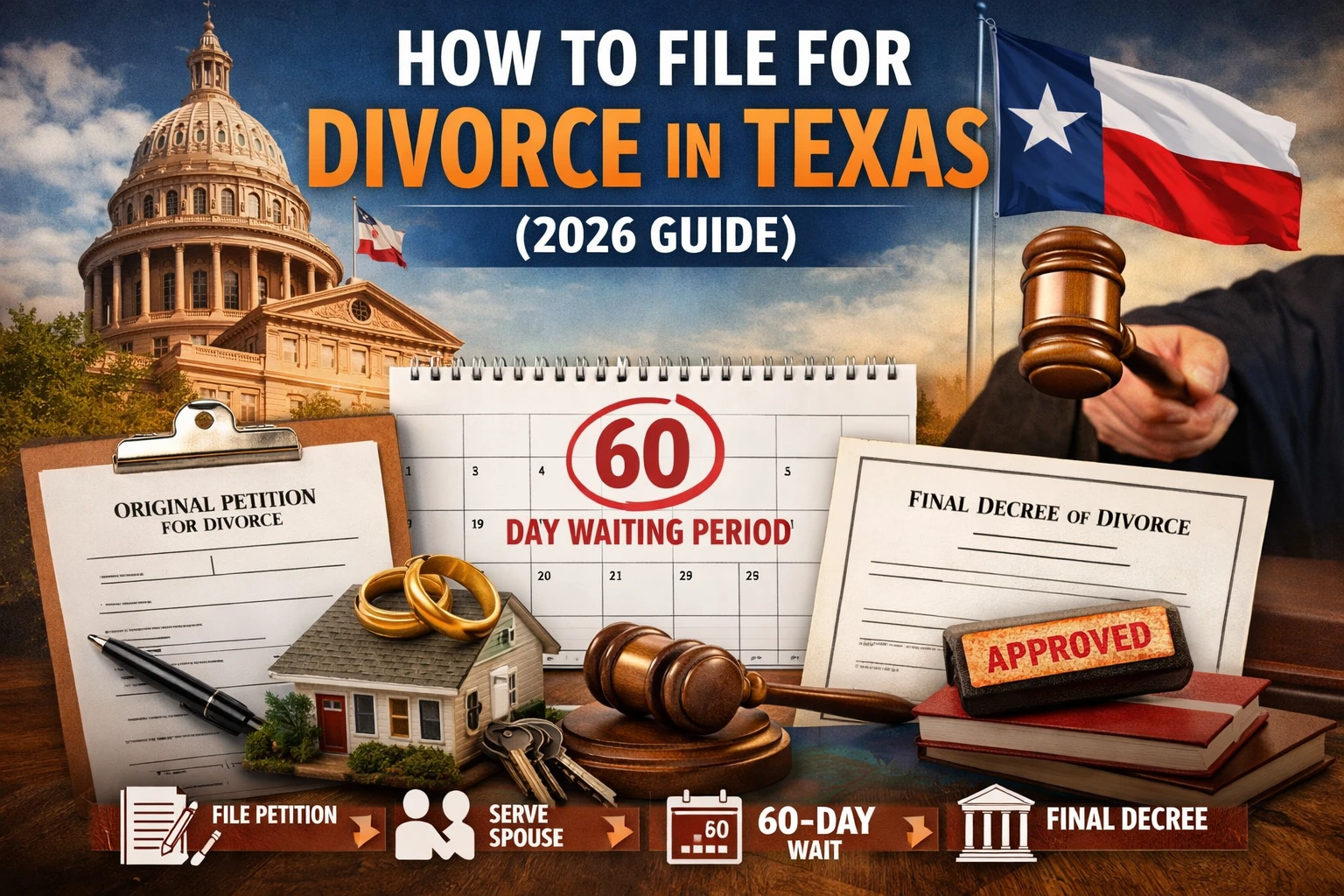
For most agreed divorces in Texas, the shortest possible timeline is a little over 60 days from the date the case is filed. That is because Texas has a mandatory 60-day waiting period in most divorce cases. Day one starts when the Original Petition for Divorce is filed, and the divorce generally cannot be finalized until at least 61 days later.
In real life, many uncontested cases in Dallas County take about two to three months, and some take longer. The biggest reason is not usually the court. It is paperwork. If documents are missing, signatures are delayed, the final decree is not prepared correctly, or one spouse changes course, the timeline can stretch fast.
So the honest answer is this: if your case is truly agreed, your paperwork is accurate, and you are ready to finalize as soon as the waiting period ends, the process can move relatively quickly. If there is confusion about children, property, debts, retirement accounts, or filing requirements, expect delays.
The basic stages from filing to finish
Filing the divorce petition
The timeline starts when one spouse files the divorce petition with the court. This spouse is called the petitioner. In Dallas County, filing officially opens the case and starts the 60-day waiting period.
At this stage, accuracy matters more than people realize. If names, addresses, dates, or required statements are incorrect, the case can hit avoidable problems later. A simple filing mistake can cost more time than people expect.
Notifying the other spouse
After filing, the other spouse must be legally notified unless they are willing to sign a waiver. In an uncontested divorce, many couples use a Waiver of Service because it is simpler and less expensive than formal service by a process server or constable.
This step can move quickly if both spouses are cooperative. If the responding spouse is hard to reach, hesitant to sign, or unsure about the terms, the case can slow down. Even in a friendly divorce, delay often starts here.
Preparing the final paperwork
During the waiting period, the spouses usually work on the final divorce documents. This often includes the Final Decree of Divorce and, if children are involved, additional forms covering conservatorship, possession schedules, child support, medical support, and any other required terms.
This is where many uncontested cases either stay on track or drift off course. A divorce may be uncontested in principle, but if the decree does not clearly address bank accounts, vehicles, credit cards, real property, or parenting terms, the court may not be able to finalize it smoothly.
Waiting out the 60 days
Texas courts generally cannot finalize a divorce until the 60-day waiting period has passed. This is a legal requirement, not a Dallas County preference. If someone promises a standard divorce can be completed in a couple of weeks, that is not realistic.
There are limited exceptions involving family violence, but for most agreed divorces, the waiting period applies. The best use of that time is to get every document completed, signed, and ready so you are not still negotiating after day 60.
Proving up and finalizing the case
Once the waiting period ends, the divorce can move to finalization. In an uncontested case, this is often done through a short prove-up process, where the petitioner presents the final paperwork for the judge’s approval. Depending on current court procedures, this may involve a hearing, submitted documents, or other county-approved steps.
If everything is complete and the paperwork meets the court’s requirements, the judge signs the Final Decree of Divorce. That signed decree is what makes the divorce final.
What can make the timeline faster
The quickest uncontested divorces usually have three things in common. First, both spouses fully agree before filing. Second, the paperwork is prepared correctly the first time. Third, the case is ready to finalize as soon as the waiting period ends.
When couples already know who keeps which property, how debts will be handled, and what the parenting plan will be, there is less back-and-forth. That saves time. If no one is arguing over retirement benefits, the house, or child support details, the process is much more straightforward.
It also helps when both spouses are responsive. A two-day delay in returning a signed waiver or decree may not sound major, but those delays add up. The legal timeline is only one part of the equation. The human timeline matters too.
What commonly slows down an uncontested divorce in Dallas County
The most common delay is incomplete agreement. People often say the divorce is uncontested, but then a disagreement shows up about taxes, credit card balances, furniture, or parenting schedules. That does not always turn the case into a court fight, but it can stop progress until the terms are resolved.
Paperwork errors are another major issue. Courts expect divorce documents to be legally sufficient and internally consistent. If the petition says one thing and the final decree says another, or if required language is missing, finalization can be delayed.
Cases involving children often take longer than cases without children. That does not mean they have to become difficult. It just means there are more details to handle correctly. Child support, custody terms, medical support, and possession schedules all need to be addressed in a way the court will accept.
Property complexity can also add time. A couple with no house, no retirement accounts, and minimal debt can usually move faster than a couple dividing a home, multiple vehicles, pension rights, and joint loans. Even when both spouses are cooperative, more assets usually mean more drafting and more review.
How Dallas County fits into the timing
Dallas County follows Texas divorce law, including the 60-day waiting period, but local filing procedures and court scheduling still matter. Some cases move faster simply because the parties submit clean, complete paperwork that fits the court’s expectations. Others stall because the documents need correction or the final step is not scheduled promptly.
That is why county-specific guidance helps. A form that looks acceptable in general may still need to be handled carefully based on how the local court processes agreed divorces. Practical support can make a real difference here, especially for people who want to avoid costly mistakes and finish the case efficiently.
A realistic timeline for most people
If you want a practical estimate, think of the uncontested divorce timeline in Dallas County this way. The legal minimum is just over 60 days. A well-prepared agreed divorce often finishes in roughly 61 to 90 days. If there are children, drafting issues, slow signatures, or unresolved property terms, it can take several months longer.
That range is normal. Faster is possible only within the limits of Texas law, and slower does not always mean something is wrong. Sometimes it just means the couple needs more time to get the final terms right.
How to keep your case moving
The best approach is simple. Make sure you qualify for an uncontested divorce, get clear on every major term before filing if possible, and treat the paperwork seriously. Small errors create big delays.
If children are involved, be specific and realistic about the parenting plan. If property or debt needs to be divided, put it in writing clearly. If one spouse is supposed to sign a waiver or decree, do not let the documents sit untouched for weeks.
For many people, the easiest way to reduce stress is to get procedural help early instead of trying to fix mistakes later. Services like Ready Divorce Service are built for that exact problem – helping Texas couples complete agreed divorce paperwork correctly and move through the process with less confusion.
A divorce does not have to turn into a drawn-out fight to be emotionally difficult. But when you understand the timeline, prepare the documents carefully, and stay responsive, the process usually feels more manageable. The goal is not just to finish fast. It is to finish cleanly, with orders you can actually live with once the case is over.
Get Started Today – Your Divorce Is Just a Click Away
If you’re in Texas and want your divorce handled quickly, correctly, and without unnecessary stress, we can help you from start to finish.
👉 Start here: Complete the Divorce Questionnaire
📞 Call now: (469) 913-4000