When both spouses agree the marriage should end, the biggest challenge is often not the decision itself. It is getting through the legal process without turning a manageable situation into a stressful, expensive fight. That is where low conflict divorce support Texas residents look for can make a real difference. The right support helps you stay focused on paperwork, timelines, and practical next steps instead of getting pulled into unnecessary disputes.
For many Texans, a lower-conflict divorce is not about pretending everything is easy. It is about recognizing that even when emotions are high, the case may still be suitable for an agreed path. If you and your spouse are mostly on the same page about property, debt, parenting, and support, a streamlined divorce process may save time, money, and a great deal of strain.
What low conflict divorce support in Texas really means
Low conflict divorce support in Texas usually centers on organization, clarity, and process. It is not litigation strategy. It is not about escalating disagreements. It is practical help for people who want to complete an uncontested or agreed divorce correctly and with as little friction as possible.
That support often includes help understanding eligibility, preparing divorce documents, reviewing filing steps, tracking deadlines, and making sure the case moves through the Texas court process in the right order. For many people, this kind of guidance is enough. They do not need a courtroom battle. They need someone to help them avoid mistakes and keep the case moving.
This approach tends to work best when both spouses are willing to cooperate. That does not mean they have perfect communication or no frustration. It means they can still make decisions without turning every issue into a dispute.
When an agreed divorce is a good fit
An agreed divorce generally makes sense when both spouses want the divorce and can resolve the key terms. In Texas, that usually means reaching agreement on how to divide property and debts, whether either spouse will pay support, and if children are involved, how conservatorship, possession, and child support will be handled.
Some couples assume they are too tense or too hurt to qualify for a lower-conflict process. That is not always true. You can still be upset and have an uncontested case. The real question is whether you can make workable decisions and stick to them.
On the other hand, low conflict support may not be enough if one spouse is hiding assets, refusing to participate, threatening the other spouse, or changing positions constantly. In those situations, the process may require legal intervention beyond document preparation and procedural guidance. It depends on the facts, and being honest about that early can prevent wasted time.
Why lower conflict matters in a Texas divorce
Conflict has a cost. Sometimes that cost is emotional, and sometimes it is financial. Often it is both. Once a straightforward divorce becomes adversarial, the timeline usually expands, communication gets harder, and legal expenses can rise quickly.
A lower-conflict path helps protect your time and energy. It also helps preserve your ability to make thoughtful decisions, especially if you share children. Parents who can complete a divorce with less hostility often have a better starting point for co-parenting after the case is over.
There is also a practical reason to keep things calm. Texas divorce requires specific paperwork, waiting periods, and court procedures. The more conflict enters the process, the more likely delays become. A steady, organized approach gives you a better chance of moving from filing to finalization without avoidable setbacks.
The basic Texas process for a low-conflict divorce
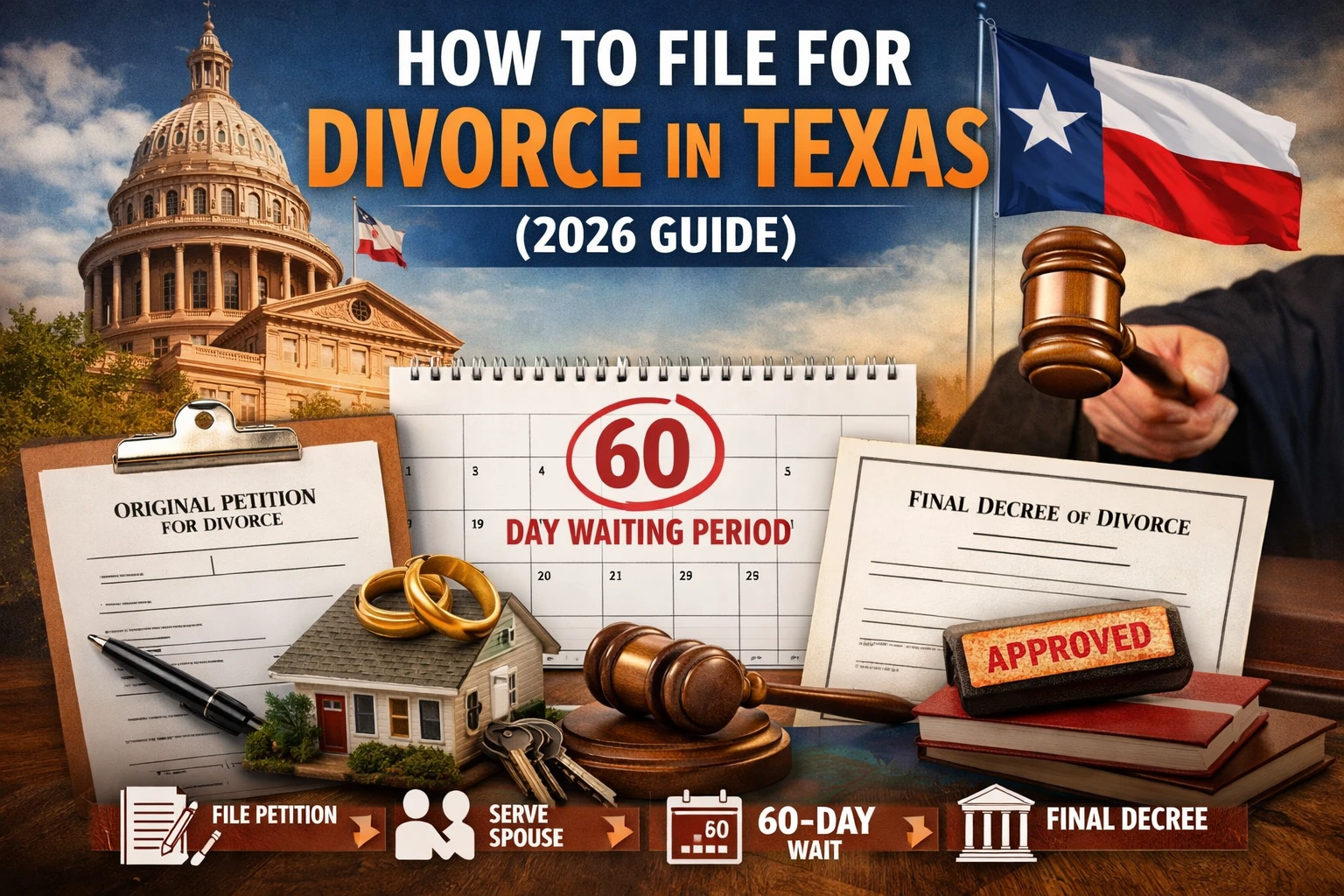
Texas has a 60-day waiting period in most divorce cases, counted from the date the Original Petition for Divorce is filed. Even in a fully agreed case, the divorce usually cannot be finalized before that waiting period ends.
The process typically begins with preparing and filing the initial paperwork. After filing, the other spouse must usually be formally served or sign a waiver, depending on the situation. From there, the case moves toward final documents, including the Final Decree of Divorce and any child-related forms required for the court.
If children are involved, the details matter. Parenting terms must be written clearly, and child support provisions need to match Texas requirements. If there is a house, retirement account, or significant debt, those terms should also be addressed carefully. A low-conflict divorce is simpler than litigation, but it still requires accuracy.
Many people get stuck here. They may agree in principle, but they are unsure how to turn that agreement into court-ready forms. That is where process-based divorce support becomes valuable. It gives structure to an already agreed outcome.
Common mistakes that create conflict by accident
Not every high-conflict divorce starts high-conflict. Some become difficult because of preventable mistakes.
Vague agreements are a common problem. If one spouse thinks a debt will be split one way and the paperwork says something else, tension rises quickly. The same goes for parenting schedules that sound reasonable in conversation but are not specific enough for court documents.
Another issue is delay. When paperwork sits unfinished for weeks, people become anxious and suspicious. A spouse who was cooperative at the beginning may become frustrated if the case feels stalled or disorganized.
Cost confusion also causes problems. If no one understands the filing fees, document requirements, or next steps, the process can start to feel bigger and more adversarial than it really is. Clear expectations reduce that pressure.
How the right support keeps the process manageable
Good low conflict divorce support Texas clients benefit from is practical, not dramatic. It should make the process easier to follow, easier to complete, and easier to trust.
That means clear explanations of what forms are needed and when. It means guidance on whether your case appears uncontested, what information must be included in the decree, and how the waiting period affects your timeline. It also means understanding county procedures, because filing steps can vary in ways that matter.
For example, someone filing in Dallas County, Tarrant County, Harris County, or Bexar County may still be following Texas divorce law, but local filing logistics can affect how smooth the process feels. Support that is Texas-focused can reduce confusion because it is built around the real requirements people face here.
Affordable support also matters. Many spouses do not want full litigation and do not have the budget for it. They want help completing the divorce correctly without paying for a courtroom fight they are trying to avoid. That is a practical goal, not a shortcut.
Children, communication, and realistic expectations
If you have children, low conflict does not mean every conversation will be easy. It means keeping the case centered on workable arrangements instead of personal grievances. Courts care about clear parenting terms and child support compliance. Parents usually care about predictability, stability, and avoiding constant stress.
That is why it helps to separate emotional history from present decisions. You do not have to solve every past issue to complete a lower-conflict divorce. You do need a realistic plan for parenting time, decision-making, and support.
The same principle applies to communication. Some couples do fine talking directly. Others need shorter, more structured exchanges focused only on the divorce terms. If direct communication keeps creating arguments, simplifying those conversations may help preserve an agreed path.
Knowing when low-conflict support is not enough
A lower-conflict process is valuable, but it is not for every case. If there is family violence, intimidation, serious dishonesty about finances, or a spouse who refuses to cooperate, the case may require legal advice or representation beyond procedural support.
That is not a failure. It is simply the right response to a harder situation. The goal is not to force every divorce into an uncontested format. The goal is to use the simplest process that still protects your interests and gets the case handled properly.
For many people, though, the simpler path really is available. They just need help getting through it with less confusion.
If you are trying to end your marriage without turning it into a drawn-out legal battle, calm and accurate support can change the experience. The paperwork still matters. The deadlines still matter. But with the right help, the process can feel less overwhelming and much more possible.
📲 Call us now at (800) 432-0018