If you are staring at divorce forms and wondering which packet applies, where to file, or what happens after the petition is signed, you are not alone. Many people looking for tarrant county divorce paperwork help are not trying to start a fight – they are trying to finish a process correctly, affordably, and with as little stress as possible.
That is especially true in uncontested divorce cases. When both spouses agree on the major terms, the paperwork still has to be accurate, complete, and filed in the right order. A simple case can still get delayed by a missing signature, the wrong form, or an incomplete final decree. The good news is that when you understand the process, divorce becomes much more manageable.
When Tarrant County divorce paperwork help makes sense
Paperwork help is often the right fit when you and your spouse agree on the key issues and want a straightforward path forward. That usually means you agree on dividing property and debts, whether either spouse will pay support, and if children are involved, the conservatorship, possession schedule, child support, and medical support terms.
In that kind of case, the challenge is usually not courtroom conflict. It is procedure. Texas divorces still require specific forms, waiting periods, proper filing, and a final court process. People often assume an agreed divorce is just one or two forms, but that is rarely the case.
Support with document preparation can save time and reduce mistakes, especially if you are unfamiliar with legal language. It can also help if you are balancing work, parenting, and the emotional weight of ending a marriage. You may not need full litigation. You may just need a clear, Texas-specific process.
What paperwork is usually involved in a Texas uncontested divorce
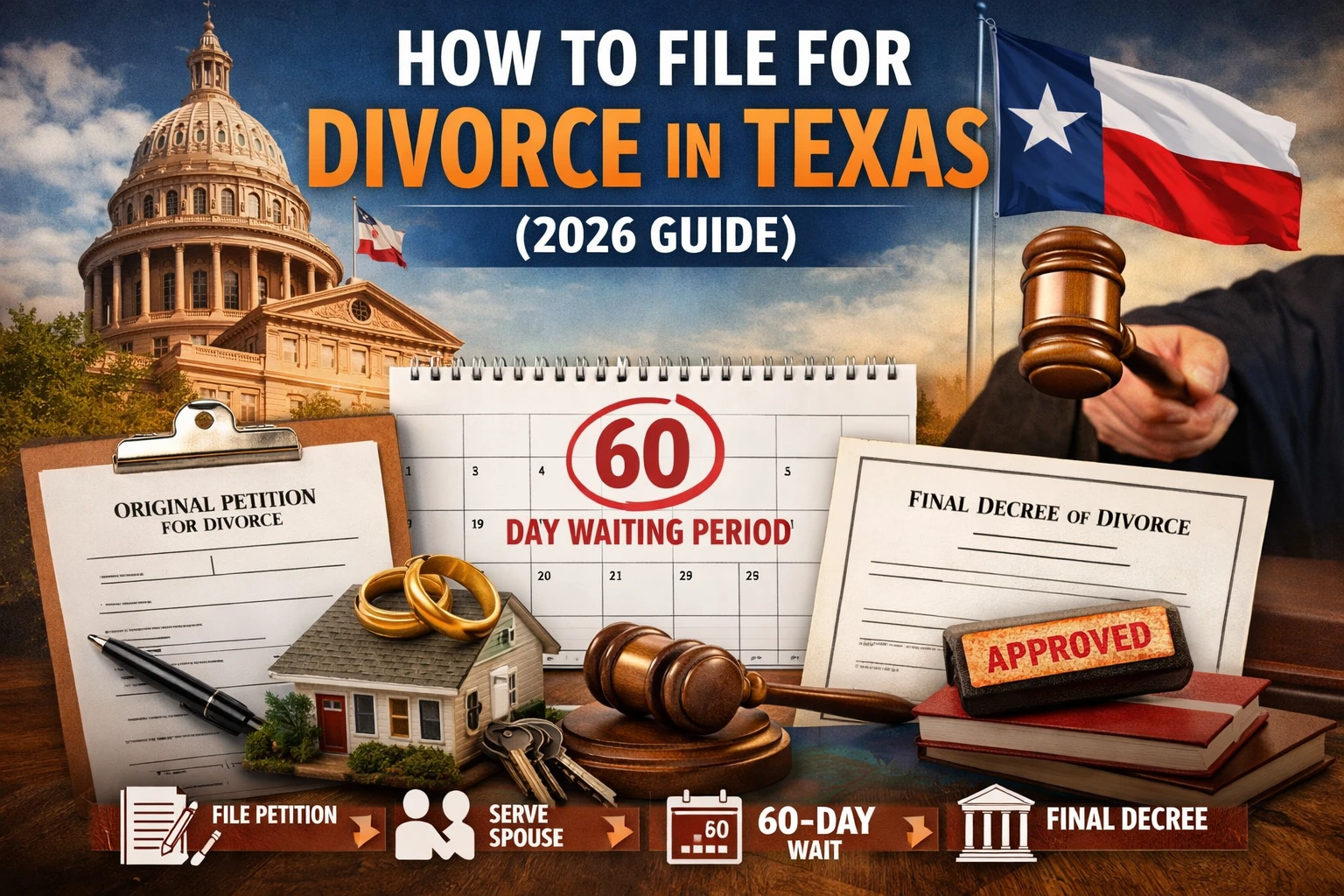
The exact paperwork depends on your situation, but most uncontested divorces in Texas start with an Original Petition for Divorce. That document opens the case. After filing, the other spouse may sign a waiver or file an answer, depending on how the case is being handled.
From there, the most important document is often the Final Decree of Divorce. This is the order that sets out the terms of the divorce. If the decree is vague, incomplete, or inconsistent with the rest of the case, the court may reject it or require corrections.
Some cases also involve additional documents, such as a Civil Case Information Sheet if required by local procedure, a BVS form for state records, a prove-up affidavit or testimony paperwork, child support forms, withholding documents, or standing-order related forms if applicable. If children are involved, the paperwork becomes more detailed because the court wants clear terms that protect the children’s best interests.
That is one reason tarrant county divorce paperwork help can be so valuable. The form names may sound simple, but each document has a purpose, and they need to work together.
Filing in Tarrant County – what people often miss
Filing a divorce case is not just about handing over papers. You need to make sure the case is filed in the correct county and that residency requirements are met. In Texas, one spouse generally must have lived in the state for at least six months and in the county of filing for at least 90 days before filing.
Tarrant County courts also expect paperwork to be complete and organized. If your forms are inconsistent, unsigned, or missing required details, the case can stall. A rejected filing does not just create frustration – it can cost you more time and filing corrections.
People also miss timing rules. Texas has a 60-day waiting period in most divorce cases, counted from the date the petition is filed. That does not mean every case finishes on day 61, but it does mean the court generally cannot finalize it before then unless a narrow exception applies.
For agreed divorces, the goal is usually to move through that waiting period while making sure the paperwork is ready for finalization. If you wait until the end of the 60 days to start fixing forms, you often create your own delay.
The biggest mistakes in uncontested divorce paperwork
Most errors in agreed divorces are not dramatic. They are small issues that create real problems.
One common problem is using forms that do not match the case. A divorce with children is not documented the same way as a divorce without children. A case involving a house, retirement accounts, or detailed debt division needs more care than a very simple short-term marriage.
Another issue is inconsistency. If one form says there are no children and another includes child support language, the court will notice. If the petition and final decree do not align on the requested terms, that can create questions or rejection.
Signatures are another frequent problem. Some documents must be signed by one spouse, some by both, and some may need to be signed in a particular way. Dates matter too. Filing something too early, using an outdated waiver, or missing a required filing step can slow the case down.
Then there is the practical side. People often underestimate how careful the final decree needs to be. The decree is not just paperwork to finish the case. It is the legal order you may rely on later for property transfer, child-related obligations, and proof of divorce.
Cases that may need more than paperwork support
Not every divorce belongs in a streamlined uncontested process. Sometimes the smart move is to recognize that the case is no longer simple.
If your spouse will not cooperate, if there are serious disputes about children, if someone is hiding assets, or if there is family violence or fear for your safety, paperwork help alone may not be enough. The same is true when complex property issues are involved, such as business ownership, substantial retirement division, or contested real estate matters.
That does not mean your case cannot move forward. It just means the right level of support depends on the facts. For many agreed cases, document preparation and procedural guidance are exactly what is needed. For contested cases, more formal legal representation may be appropriate.
How a streamlined divorce process reduces stress
People often focus on saving money, and that matters. But affordable help is not the only benefit. A clear process reduces second-guessing.
When you know what comes first, what gets filed next, and what the court will need at finalization, you can make better decisions and avoid panic. Instead of wondering whether you forgot something major, you can work from a defined checklist and timeline.
That is especially helpful for parents and working adults. Most people do not have extra hours to spend deciphering court forms at night after work. They want a practical path that helps them complete the divorce without unnecessary conflict or repeated trips to fix errors.
For Texas residents seeking an agreed divorce, a process-oriented service can bridge the gap between doing everything alone and paying for full litigation. That middle ground is often exactly what makes the process feel possible.
Choosing the right kind of Tarrant County divorce paperwork help
Not all help is the same. What matters is whether the support is built around Texas uncontested divorce procedure and whether it gives you clear, accurate guidance based on your case type.
Look for help that focuses on agreed divorces, explains the filing and waiting period clearly, and prepares documents that match your family and property situation. If children are involved, the service should be comfortable with possession schedules, child support language, and the extra forms that may be required.
It also helps when the process is designed to be efficient and understandable. You should know what information you need to provide, what paperwork you will receive, what filing steps are next, and what finalization generally looks like. Clarity matters just as much as speed.
For many Tarrant County residents, that is where Ready Divorce Service fits best – practical support for uncontested Texas divorce cases, with a focus on document preparation, procedural guidance, and keeping the process affordable.
What to do before you start
Before moving forward, gather the basic information the divorce paperwork will require. That includes full legal names, marriage date, separation details if relevant, current addresses, information about children, and a clear outline of how property and debts will be divided. If one spouse will keep a vehicle, house, or account, be specific.
It also helps to talk through the terms with your spouse before paperwork is drafted. Many delays happen because people say they agree in general, but they have not actually settled the details. An uncontested divorce works best when the agreement is real, not assumed.
Once the terms are clear, the paperwork process becomes much more efficient. You are no longer guessing what should go into the decree. You are documenting an actual agreement and moving it through the court correctly.
Divorce is hard enough without procedural confusion adding to the pressure. If your case is agreed and you want a lower-conflict path, getting the right paperwork help can turn a stressful pile of forms into a workable plan – and that can make it much easier to move on with confidence.
📞 Get Started Today – Your Peaceful Divorce Is Just a Click Away
When you’re ready to move on, we’re ready to help.
📲 Call us now at (800) 432-0018
🖥️ Start your divorce online today