Most people asking for the best uncontested divorce timeline tips are really asking a simpler question: How do I get through this without delays, extra costs, or having to start over? In Texas, an uncontested divorce can move more smoothly than a contested case, but it still does not happen automatically. The timeline depends on whether you meet the legal requirements, how organized your paperwork is, and whether both spouses stay cooperative from start to finish.
If you want the shortest realistic path, the goal is not to rush blindly. The goal is to avoid the common mistakes that slow down agreed divorces. A missed signature, an incomplete form, or confusion about children, property, or service can add weeks to a case that should have stayed straightforward.
Best uncontested divorce timeline tips that actually save time
The first time-saver is confirming that your case is truly uncontested. That means both spouses agree on the divorce itself and on the major terms, including property, debts, parenting issues, child support, and final paperwork. If there is still active disagreement on any of those points, your case may not stay uncontested for long.
This matters because many delays begin before filing. One spouse thinks everything is settled, while the other still has concerns about the house, retirement, or parenting schedules. It is much faster to work those issues out early than to file first and try to fix disagreements later.
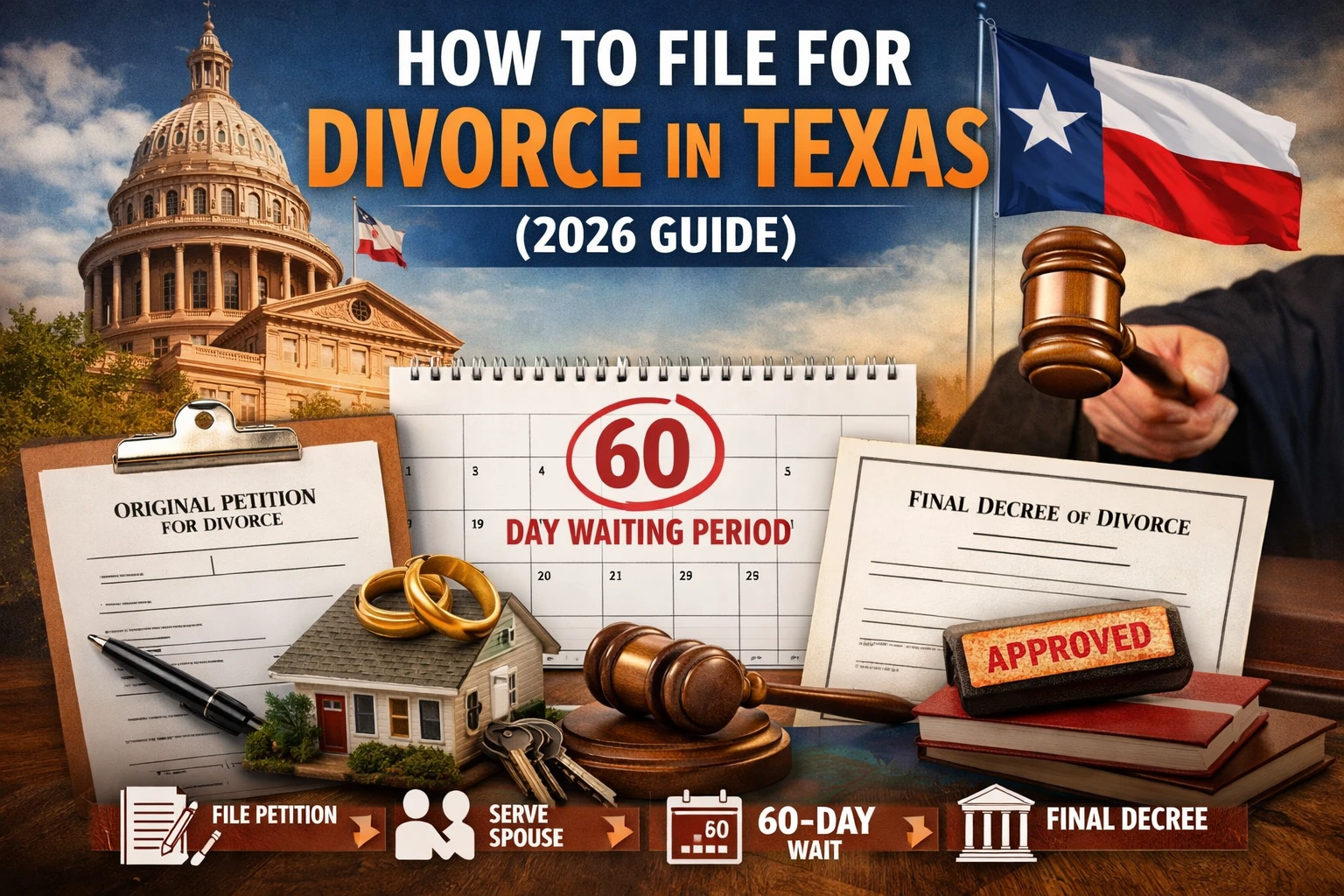
The second tip is to understand the Texas waiting period from day one. In most Texas divorces, there is a mandatory 60-day waiting period after the petition is filed before the divorce can be finalized. That means even the smoothest uncontested case usually cannot be finished in less than 61 days. If someone promises instant results, that is a red flag.
Knowing that timeline helps you plan better. You can use the waiting period to complete service or waiver documents, finish the Final Decree of Divorce, gather any child-related documents, and make sure both parties are ready for the final step when the waiting period ends.
The third tip is simple but often overlooked: prepare all documents carefully before filing or immediately after filing. A case moves faster when the petition, waiver or answer, decree, and any supporting documents are drafted correctly and kept consistent. Even small inconsistencies can slow things down if the court rejects paperwork or asks for corrections.
Start with eligibility, not paperwork
One of the most practical uncontested divorce timeline tips is to check eligibility before you spend time on forms. In Texas, at least one spouse must meet residency requirements. Usually, that means six months in Texas and 90 days in the county where the case is filed.
If residency is not in place yet, filing too early can create a problem that no amount of organization will fix. The same is true if there are questions about pregnancy, separate property claims, or whether the other spouse will actually sign agreed documents. These issues do not always stop an uncontested divorce, but they can affect timing.
For parents, child-related terms deserve extra attention. If conservatorship, visitation, child support, or medical support are not clearly agreed to, the paperwork stage tends to drag out. Courts also review child-related orders carefully, so vague or incomplete language can create delay.
The paperwork stage is where many cases lose momentum
People often assume filing is the hard part. In reality, the bigger risk is losing momentum after filing. Once the Original Petition for Divorce is filed, the clock starts on the waiting period, but the rest of the process still needs attention.
If your spouse is cooperative, handling service correctly can keep things moving. In many uncontested cases, a signed waiver may be used instead of formal service. But it has to be done properly. If the waiver is signed too early, missing required language, or not completed in the right form, it may not help your timeline at all.
The Final Decree of Divorce is another major checkpoint. This document needs to match the agreements between the spouses and meet Texas court requirements. If property division is unclear, if names or dates are inconsistent, or if required details are missing, the decree may need revisions before the judge will sign it.
This is one reason many Texans choose procedural support rather than trying to patch documents together on their own. The more accurate the paperwork is on the front end, the less likely you are to face avoidable delay later.
How to shorten your uncontested divorce timeline without cutting corners
The best way to shorten your timeline is to stay proactive during the 60-day waiting period. That period should not be treated like dead time. It is the window for getting every remaining step lined up so the case is ready as soon as it becomes eligible for finalization.
Use that time to confirm every signature needed, review all financial terms, and make sure your decree reflects the agreement exactly. If children are involved, confirm that possession schedules, support amounts, and required notices are complete and realistic. If one spouse is keeping a home, vehicle, or debt, make sure the decree says so clearly.
It also helps to communicate in a focused way. Long emotional text threads rarely move a divorce forward. Clear written confirmations do. If your case is uncontested, keep discussions centered on decisions, documents, deadlines, and logistics.
Another practical point is to respond quickly when the court or a document preparer requests information. Delays often happen in small chunks – a few days waiting on a correction, another few days waiting on a signature, another week because no one followed up. That is how a straightforward case stretches out.
Common delays in Texas uncontested divorces
Some delays are unavoidable, but many are preventable. The most common issue is incomplete agreement. A couple may agree in general terms but not in enough detail for a final decree. Saying, “we will split everything fairly” is not the same as listing who receives each asset and debt.
Another frequent delay is filing in the wrong county or filing before residency requirements are met. This can affect Texans who recently moved or are not sure where the case should be opened. County-specific procedures can also vary slightly, so knowing what your filing court expects can save time.
Scheduling can matter too. Some courts move quickly with agreed cases, while others have longer waits for prove-up hearings or document review. This does not mean the divorce has become contested. It just means local procedure can affect the final step.
There are also delays caused by hesitation. Sometimes one spouse agrees in principle but avoids signing because the emotional reality of divorce starts to feel heavier as the case gets closer to completion. That is common and human. But it can slow an otherwise simple case if the couple has not already committed to finishing the process.
A realistic timeline for an agreed Texas divorce
For many Texas couples, the fastest realistic timeline is a little over 60 days, assuming the case is truly uncontested, documents are prepared correctly, and the court’s process moves without unusual delay. For others, a more typical timeline may be several weeks beyond that.
What makes the difference is usually not one dramatic issue. It is the accumulation of smaller details. A complete petition, a valid waiver or answer, a well-drafted decree, prompt signatures, and a clear plan for finalization all help keep the case on track.
If your case involves children, property, or county-specific filing requirements in places like Dallas County, Tarrant County, Harris County, or Bexar County, extra care with documents can be especially helpful. The core process is still manageable, but details matter.
When speed should not be the only goal
Everyone wants closure. That is understandable. But the fastest divorce is not always the best outcome if speed comes at the expense of clarity. If your decree leaves debt terms unclear, parenting terms vague, or property division unfinished, problems can show up after the divorce is final.
That is why the best uncontested divorce timeline tips are really about balance. Move promptly, but not carelessly. Keep the case cooperative, but do not assume verbal understandings are enough. Stay focused on efficiency, while making sure the final documents are accurate and complete.
For many Texans, the easiest path is getting help with the paperwork and process so nothing important is missed. Ready Divorce Service focuses on that kind of practical support because a smoother timeline usually comes from better preparation, not more stress.
If you are hoping to finish your divorce with less confusion and fewer setbacks, start by getting clear on your agreement, your filing requirements, and your documents. A calm, organized approach can save more time than trying to force the process before it is ready.
📞 Get Started Today – Your Peaceful Divorce Is Just a Click Away
When you’re ready to move on, we’re ready to help.
📲 Call us now at (800) 432-0018
🖥️ Start your divorce online today