If your case is almost finished, the tarrant county final hearing divorce step is usually the last hurdle between you and a signed divorce decree. For many people, this is the part that causes the most stress, not because it is always complicated, but because they do not want a last-minute mistake to slow everything down.
The good news is that an uncontested divorce final hearing is often brief and straightforward when your paperwork is complete, your waiting period has passed, and both spouses have fully agreed on the terms. The hearing is still a court proceeding, though, which means details matter. Knowing what the judge is likely to expect can help you walk in more prepared and a lot less anxious.
What a Tarrant County final hearing divorce means
In Texas, a final hearing is the court appearance where a judge reviews your divorce paperwork and, if everything is in order, signs your Final Decree of Divorce. In an agreed case, this hearing is sometimes called a prove-up. It is typically short because the court is not deciding a fight between spouses. Instead, the judge is confirming that the legal requirements have been met and that the orders in your decree are ready to be entered.
That does not mean every hearing looks exactly the same. Procedures can vary by court, and some courts may have specific requirements for scheduling, appearances, or supporting documents. That is why careful preparation matters even in a simple divorce.
When you are ready for the final hearing
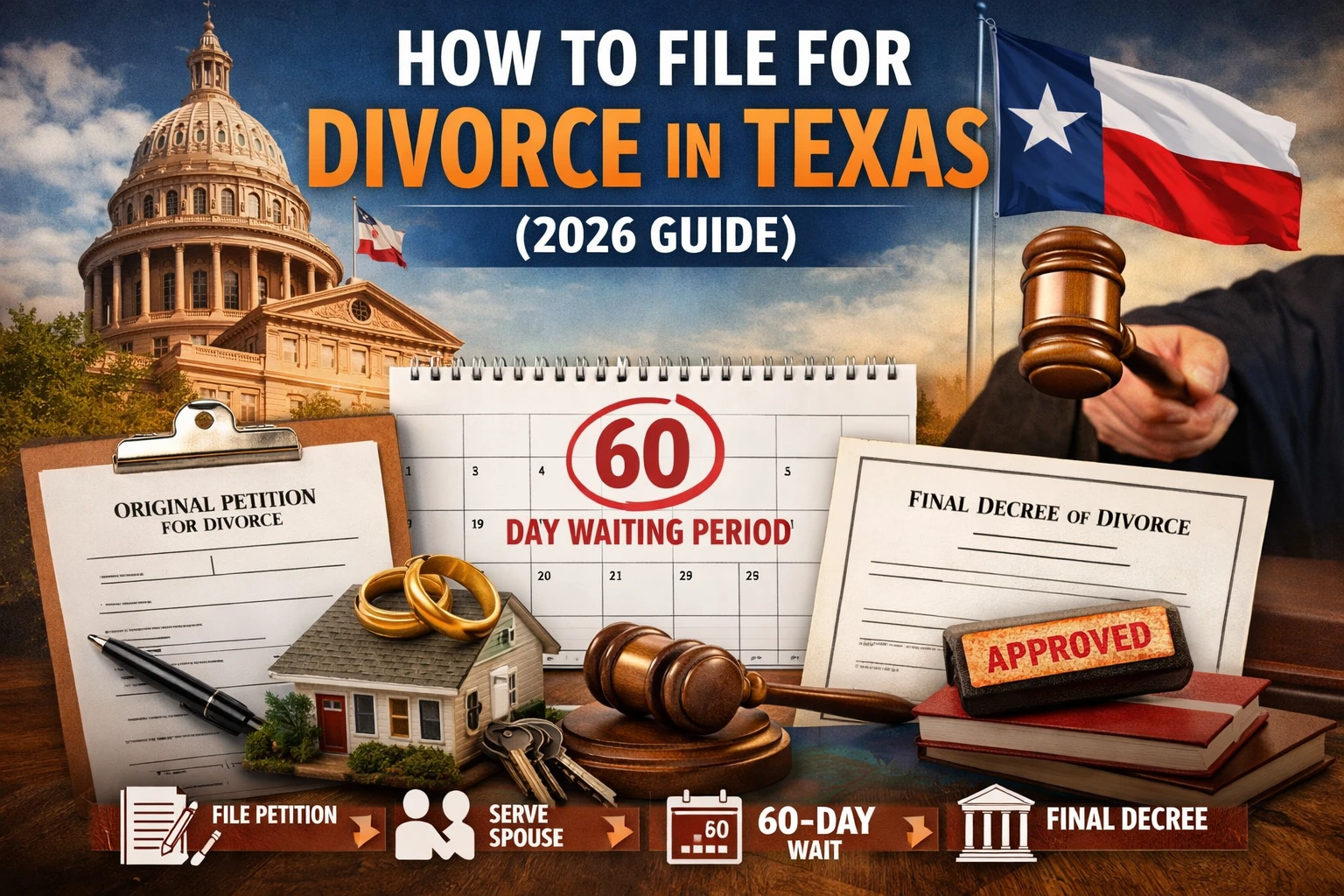
Most people are not ready for a final hearing just because they filed the petition. Texas has a mandatory waiting period in most divorce cases. Generally, at least 60 days must pass after the case is filed before a divorce can be finalized, unless a narrow exception applies. If you try to finish too early, the court will not be able to sign the decree.
You are usually ready to move forward when the waiting period has passed, the Respondent has filed an answer or signed a waiver if appropriate, the Final Decree of Divorce is fully completed, and all related forms required by the court are prepared. If children are involved, additional paperwork may be necessary, and judges often look more closely at parenting terms, support, and medical support provisions.
This is where many avoidable delays happen. A couple may agree on everything in principle, but the decree still has missing language, signature issues, or terms that do not line up with Texas requirements. An uncontested case works best when the agreement is complete and the paperwork reflects that agreement clearly.
What to bring to a Tarrant County final hearing divorce
You do not want to arrive at court and realize an unsigned or outdated document is the one in your folder. Even in a short prove-up, being organized can make the difference between finishing your case and having to come back another day.
In most uncontested divorces, you should expect to have your filed petition information, the completed Final Decree of Divorce, any required supporting forms, a valid photo ID, and any court-specific paperwork or scheduling confirmation. If your spouse signed the decree, make sure you have the correct version with all signatures in place. If child-related orders are included, review those pages carefully before the hearing so you know exactly what the decree says.
It is also wise to bring extra copies. Some courts want additional copies for their records or for file-stamping after the judge signs. Even when that is not strictly required, extra copies can save time and stress.
What happens at the hearing
For an agreed divorce, the hearing is often brief. One spouse, usually the Petitioner, appears and answers a short set of questions under oath. The judge is looking for basic legal confirmation: residency requirements have been met, the marriage has become insupportable, the waiting period has passed, and the parties have agreed to the terms in the decree.
If the decree includes children, the judge may also want confirmation that the child-related provisions are in the children’s best interest. That can include conservatorship, possession and access, child support, and health insurance terms. The judge is not there to rewrite your entire agreement, but the court does have a duty to make sure the orders are legally acceptable.
If everything is proper, the judge signs the Final Decree of Divorce. Once that happens and the signed decree is processed as required, your divorce is finalized.
Questions the judge may ask
The questions in a prove-up are usually simple, but they still matter. You may be asked your name, whether you are the Petitioner, how long you or your spouse have lived in Texas and in the county, the date of marriage, whether there is a chance of reconciliation, and whether you are asking the court to approve the decree.
If there are children, expect a few additional questions about whether the parenting and support terms are in their best interest. If there is a name change requested in the decree, the judge may ask you to confirm that as well.
This is one reason not to treat the hearing casually. Even in an agreed case, you should know your paperwork well enough to answer basic questions clearly and consistently.
Common reasons a final hearing gets delayed
Most delays in an uncontested divorce do not happen because the couple suddenly disagrees. They happen because of paperwork problems or procedural missteps.
A decree may be incomplete, signed incorrectly, or inconsistent with the original petition. A required waiting period may not have passed. A waiver may be defective or filed too early. Child support language may be missing. A court may require a specific form or scheduling step that was overlooked. Sometimes a party simply appears without the right documents.
These issues are frustrating because they are often preventable. A final hearing should feel like the closing step of the process, not the moment you discover what was missing all along.
If your divorce is uncontested, simple does not mean careless
People sometimes hear that an uncontested divorce is easy and assume the final hearing will take care of itself. That is not really how it works. Uncontested means there is agreement, not that the court will ignore errors.
A better way to think about it is this: agreed divorces are usually more efficient because there is less conflict, but they still require accurate paperwork and compliance with court procedure. If your case involves a house, retirement, children, or unusual property terms, details become even more important. The hearing may still be short, yet the preparation behind it needs to be solid.
What if both spouses agree but one cannot attend?
In many uncontested cases, only one spouse appears for the final hearing. That is common. But it depends on the posture of the case and whether the paperwork has been completed correctly. If the Respondent has signed the decree and any necessary answer, waiver, or related documents are properly handled, the Petitioner may be able to proceed without the other spouse attending.
This is another area where people make assumptions that can create delays. Courts are not just looking at whether the other spouse agrees in a general sense. They are looking at whether the case file supports moving forward legally.
How to prepare the week before your hearing
The best final hearings usually feel uneventful. That is a good sign. It means the work was done before court.
A few days before your hearing, review your decree line by line. Make sure names are spelled correctly, dates are accurate, and all blanks are filled in. Confirm that the waiting period has passed. Check whether your court expects a scheduled setting, walk-in prove-up, or any additional forms. Organize your documents in the order you may need them. If you are nervous, practice answering basic prove-up questions out loud so your hearing feels more familiar.
Also think practically. Plan your arrival time, dress neatly, and allow extra time for parking and courthouse screening. Those details do not change the law, but they do reduce stress and help you stay focused.
Why support with document preparation can help
A lot of people filing an agreed divorce are trying to save money and avoid unnecessary conflict. That makes sense. But saving money should not mean gambling with the final step of your case.
If you are unsure whether your decree is complete, whether your forms match your situation, or whether your uncontested case is truly ready for court, procedural guidance can help you avoid expensive setbacks. Services built around Texas agreed divorces are often most valuable right here, at the point where a small paperwork problem can delay finalization.
For many clients, the goal is not courtroom strategy. It is getting the case done correctly, affordably, and with less stress. That is exactly where a process-focused service like Ready Divorce Service can make the path feel much clearer.
The last step should feel manageable
A tarrant county final hearing divorce does not have to be intimidating. In most agreed cases, it is a brief appearance that confirms what you and your spouse have already worked out. The real key is making sure your documents, timing, and court procedure all line up before you step into the courtroom.
When you prepare carefully, the hearing often becomes what it is supposed to be – a short, formal step toward closure and a more stable next chapter.
📞 Get Started Today – Your Peaceful Divorce Is Just a Click Away
When you’re ready to move on, we’re ready to help.
📲 Call us now at (800) 432-0018
🖥️ Start your divorce online today