When people search for a texas divorce document preparation review, they are usually asking a practical question, not an academic one: Will this actually help me get divorced without wasting money, missing a step, or making the process harder than it already is? In Texas, that is the right question to ask. Divorce paperwork is more than filling in blanks. It has to match your situation, meet court requirements, and move through the correct filing process.
For many Texans, document preparation services make sense when the divorce is uncontested. That means both spouses agree on the major terms, such as property division, debt division, and if applicable, parenting arrangements and child support. In that setting, paying a full attorney retainer may feel unnecessary, but trying to manage every form alone can still create delays and confusion. A strong document preparation service sits in the middle – more support than going fully DIY, but far less cost and conflict than traditional litigation.
What a Texas divorce document preparation review should actually examine
A useful review is not just about whether a service is cheap. Low cost matters, but affordability without accuracy can become expensive fast. If forms are incomplete, inconsistent, or not tailored to Texas requirements, you may end up correcting documents, refiling paperwork, or losing time at the clerk’s office or with the court.
The better way to evaluate a service is to look at how well it handles the parts people struggle with most. That usually includes identifying the right divorce path, preparing the petition and related forms correctly, accounting for children when needed, and explaining what happens after the paperwork is signed and filed. Good service is not only about producing documents. It is about reducing mistakes and reducing stress.
Texas divorce document preparation review criteria that matter
Start with Texas-specific experience. Divorce rules are state-driven, and Texas has its own requirements, including residency rules, mandatory waiting periods, county filing procedures, and specific language used in final orders. A service that works across all 50 states may sound convenient, but broad coverage is not the same thing as Texas fluency.
The next issue is case fit. Document preparation services are generally best for agreed divorces. If your spouse is missing, refusing to participate, disputing child custody, hiding assets, or creating safety concerns, document preparation alone may not be enough. A trustworthy provider should be clear about those limits instead of trying to force every case into the same package.
Support level also matters. Some providers simply generate forms after you answer an online questionnaire. Others offer procedural guidance, help you understand what to sign and when, and explain the filing sequence in plain English. That extra clarity can make a real difference, especially for people who have never dealt with court paperwork before.
Then there is responsiveness. Divorce is stressful enough without waiting days for basic answers. If a service is difficult to reach before you pay, that often tells you what the experience will be like after you sign up.
Cost matters, but only in context
One reason people look for document preparation is to avoid the cost of attorney-led divorce. That is reasonable. In an uncontested case, many people do not need courtroom strategy or prolonged negotiations. They need accurate paperwork and a clear path from start to finish.
Still, the lowest advertised price is not always the best value. Some services start with a small number and then add charges for forms involving children, revisions, filing guidance, or final decree preparation. Others appear inexpensive but leave you to figure out the court process on your own. A fair review should look at total likely cost, not just the teaser rate.
It also helps to ask what you are paying for. If the service includes customized Texas divorce documents, procedural guidance, help understanding timelines, and practical support through the uncontested process, that may be far more valuable than a bare-bones form generator. Cost should be compared to the amount of confusion, delay, and rework it saves.
Accuracy is where many services separate themselves
The biggest risk in DIY divorce is not always dramatic legal failure. Often it is smaller, frustrating errors that slow everything down. A name mismatch, missing child-related language, incomplete property terms, or inconsistent dates can create avoidable problems.
That is why any texas divorce document preparation review should give real weight to accuracy. Are the documents tailored to your situation, or are they generic templates with minimal adjustment? Does the service gather enough detail to prepare forms that make sense for your family and finances? Does it account for whether there are children, real property, retirement issues, or county-specific filing practices?
This is where a Texas-focused provider tends to stand out. Familiarity with local filing expectations in places like Tarrant, Dallas, Collin, Denton, Harris, Bexar, or Ellis County can help clients avoid common procedural missteps. County procedures are not identical in every practical respect, and even small differences can matter when you are trying to keep the process moving.
The trade-off between speed and personal guidance
Many people want the quickest path possible. That makes sense. Once the decision to divorce has been made and both spouses agree, delay feels exhausting. But speed should not mean rushing through details that affect your final decree.
A purely automated system may move fast at the beginning, yet create problems later if no one catches unclear answers or inconsistent information. On the other hand, a service with more hands-on support may take a little longer upfront while producing cleaner paperwork and fewer setbacks. For most uncontested Texas divorces, that is a worthwhile trade-off.
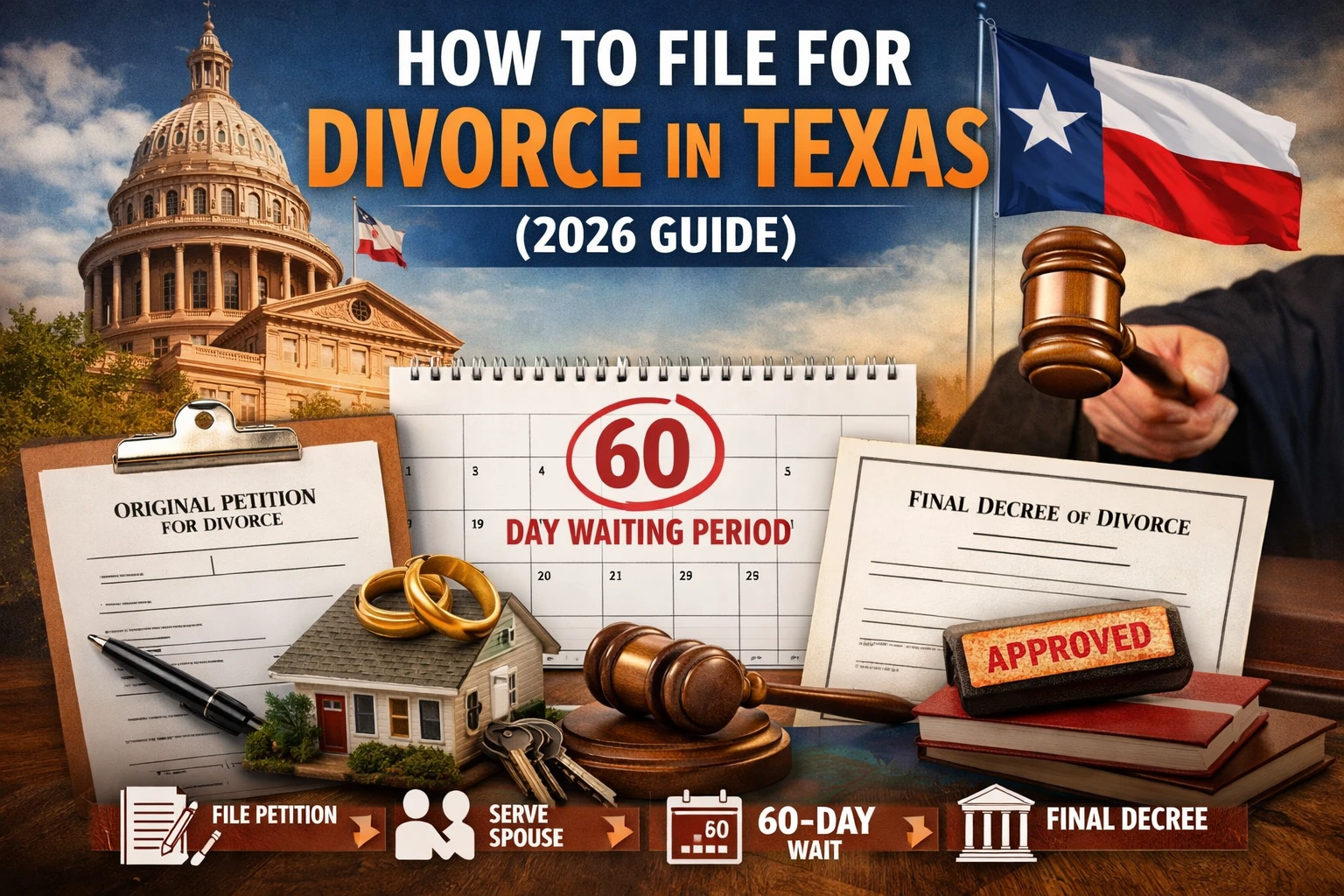
Texas also has a mandatory 60-day waiting period in most cases, so no service can lawfully promise an instant divorce. What a good provider can do is help you avoid unnecessary delays within that timeline by preparing documents correctly and guiding you through each step without confusion.
Who benefits most from document preparation services
These services tend to work best for people who are cooperative but busy, stressed, or unfamiliar with court procedure. If you and your spouse already agree on the terms and simply need help turning those decisions into proper Texas divorce paperwork, document preparation can be a practical fit.
It can also be a strong option for working families watching expenses closely. Many couples do not want a courtroom fight. They want to complete the required documents, file correctly, and move on with as little financial damage as possible. In that situation, process support matters more than legal posturing.
For Spanish-speaking households or clients who simply want plain-language help, accessibility is another factor worth reviewing. A service that explains the process clearly and answers questions without jargon can ease a great deal of anxiety.
Red flags in a Texas divorce document preparation review
If a service makes guarantees that sound too broad, pause. No legitimate provider can guarantee a judge’s decision, erase the statutory waiting period, or promise that every case qualifies for simple processing. Divorce still depends on your facts, your spouse’s cooperation, and the court’s requirements.
Another red flag is vagueness. If a company cannot clearly explain what is included, whether it handles uncontested cases only, or what happens after the forms are prepared, you may end up paying for less support than you expected.
It is also worth being cautious if the service blurs the line between legal information and legal advice. For many people, document preparation is the right level of help. But when a case involves disputes, complex assets, abuse, or serious child-related conflict, the right review should acknowledge that an attorney may be necessary.
What a strong service experience looks like
A good experience usually feels calm, organized, and predictable. You understand what documents are being prepared, what information is needed from you, when signatures are required, and what filing steps come next. Questions are answered promptly. Expectations are realistic. The process feels manageable instead of mysterious.
That is the standard people should use when reviewing providers. Not whether the service sounds impressive, but whether it helps ordinary Texans complete an agreed divorce with confidence. Ready Divorce Service, for example, is built around that practical need – helping Texans with uncontested divorce paperwork and procedural guidance in a way that keeps costs lower and the process clearer.
If you are comparing options, focus less on marketing language and more on fit. Ask whether the provider is Texas-specific, whether it is designed for uncontested cases, whether the support goes beyond form generation, and whether the pricing makes sense for what is actually included. Those answers will tell you much more than a flashy sales pitch.
Divorce is hard enough without turning paperwork into another source of conflict. The right document preparation service should not make the process feel bigger. It should make the next step feel possible.
📲 Call us now at (800) 432-0018