When both spouses already agree that the marriage should end, paying for a full attorney-led divorce can feel like using the most expensive option for the simplest kind of case. That is why many Texans start looking for an uncontested divorce lawyer alternative – not because they want to cut corners, but because they want a practical way to finish the process without unnecessary conflict, delay, or cost.
In Texas, that alternative often means getting help with divorce document preparation, filing steps, and procedural guidance instead of hiring a lawyer to negotiate or litigate every issue. For the right case, that approach can be a better fit. The key is knowing when it makes sense and when it does not.
What an uncontested divorce lawyer alternative really means
An uncontested divorce is a divorce where both spouses are in agreement on the major terms. Usually, that includes property and debt division, whether either spouse will ask for spousal support, and if children are involved, conservatorship, possession, support, and related parenting terms.
If those terms are already settled, the main work is often procedural. Someone still has to prepare the correct forms, make sure the documents are consistent, follow Texas filing rules, track deadlines, and complete the final steps required by the court. That is where an uncontested divorce lawyer alternative can help.
Instead of paying for traditional legal representation, many people choose a service focused on paperwork and process support. This kind of service is designed for agreed divorces where the goal is not courtroom strategy. The goal is to move the case from agreement to completion accurately and efficiently.
Why many Texans look for an uncontested divorce lawyer alternative
For most people, the first concern is cost. A traditional divorce attorney may be necessary in a contested case, but in a simple agreed divorce, legal fees can quickly feel out of proportion to the work involved. If there is no dispute to argue, many couples would rather spend less and focus on getting through the required steps correctly.
The second concern is stress. Attorney-driven divorces can sometimes create more formality and friction than an uncontested case needs. When spouses are already cooperating, many want a process that keeps things calm and focused on completion.
The third concern is confusion. Texas divorce forms, county filing requirements, waiting periods, and finalization steps are not always easy to figure out on your own. People often do not need litigation. They need clear guidance, organized paperwork, and someone who understands how the process works in Texas.
That is the gap an alternative service fills.
When this option makes sense
An uncontested divorce lawyer alternative is usually a strong fit when both spouses agree on all major issues and want a lower-cost path. It can also make sense when neither spouse wants a courtroom fight, there is no history of hiding assets, and both parties are willing to sign and cooperate with filing and final orders.
For Texas families with children, this option can still work if parenting terms, child support expectations, and responsibilities are already agreed. The case does not have to be child-free to be uncontested. It just has to be genuinely agreed.
This approach is often appealing to working families and individuals who want structure without the price of full legal representation. If what you need is help preparing documents correctly, understanding the next step, and avoiding filing mistakes, a procedural support model may be the better match.
When an uncontested divorce lawyer alternative may not be enough
This option is not right for every divorce. If one spouse refuses to cooperate, if there are major disagreements about children or property, or if there is a power imbalance that makes agreement questionable, traditional legal advice may be the safer route.
The same is true if there are concerns about domestic violence, intimidation, hidden income, retirement division issues, business ownership, or complex real estate questions. Those situations often need legal analysis, negotiation, or court advocacy that a document-focused service is not designed to provide.
There is also an important middle ground. Some people begin as uncontested but discover unresolved issues during the process. If that happens, the smartest next step may be to pause and get legal advice before finalizing anything. Saving money matters, but getting the terms right matters more.
How the process usually works in Texas
Texas has its own rules, and that matters. A general online form provider may not give you the level of state-specific support needed to move confidently from start to finish.
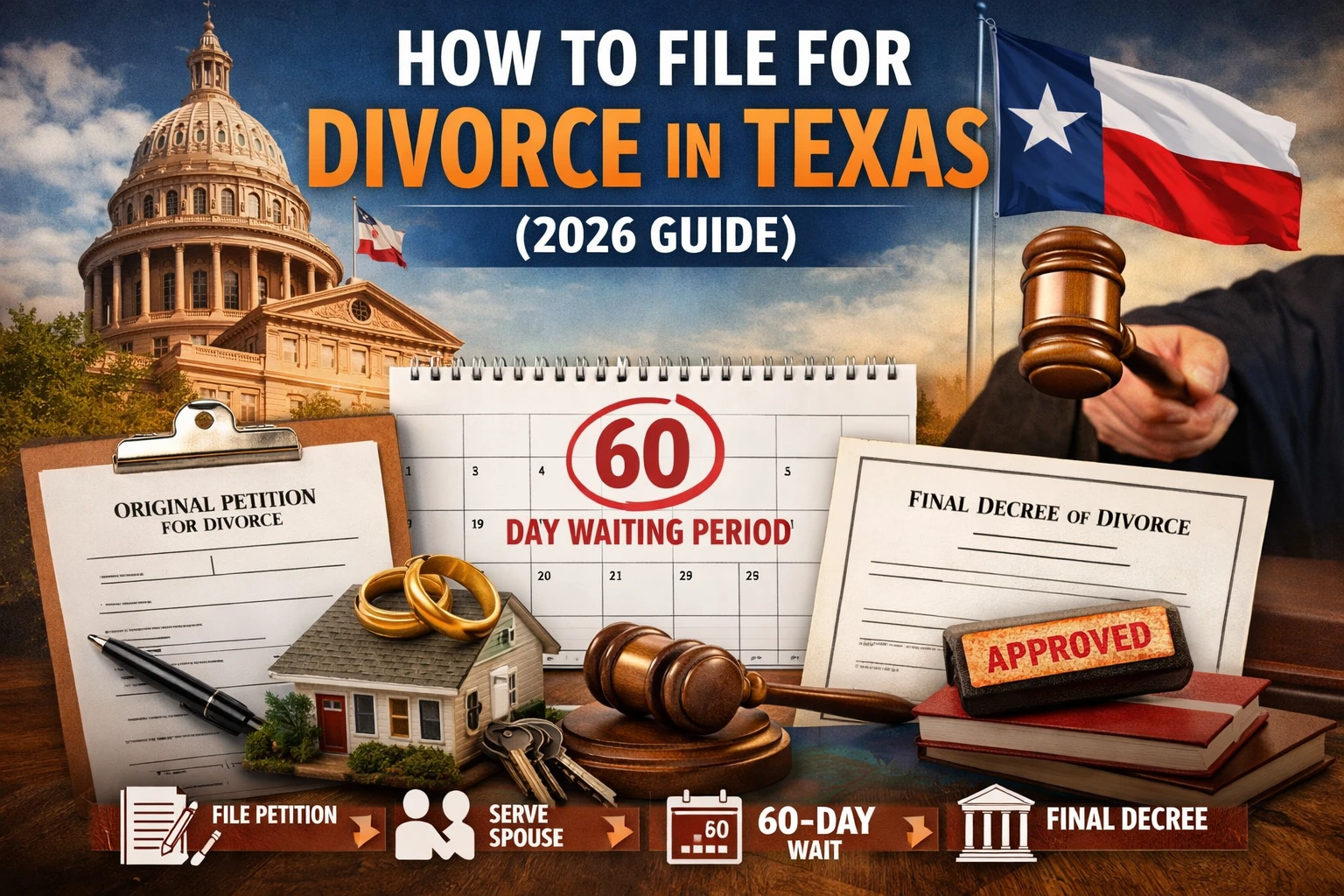
In a typical uncontested Texas divorce, the process begins with confirming eligibility. That includes residency requirements and making sure the case truly is uncontested. Then the original petition is prepared and filed with the court. After filing, the required waiting period applies in most cases.
During that time, the remaining divorce paperwork must be completed carefully. If children are involved, the parenting and support terms need to be reflected correctly in the final documents. If property and debts are being divided, the language needs to be clear and consistent with the parties’ agreement.
The final step is getting the divorce completed through the court’s required procedure, which can vary somewhat by county. That variation is one reason Texas-specific guidance is valuable, especially in larger counties such as Dallas, Tarrant, Denton, Collin, Harris, or Bexar where local procedures can feel intimidating to someone handling a divorce for the first time.
The biggest advantage: paying for process, not conflict
What many people really want is not less help. They want the right kind of help.
A traditional lawyer model is built to advise, negotiate, and advocate. That is appropriate when the case is contested. But when a divorce is already agreed, the larger need is often administrative accuracy and procedural clarity. Paying for process support instead of conflict management can be the more sensible choice.
That does not mean every low-cost option is equal. The value comes from having paperwork prepared correctly, understanding what comes next, and reducing the chance of delays caused by avoidable mistakes. A cheap service that leaves you confused can end up costing more in time, stress, and refiling fees.
What to look for in an uncontested divorce lawyer alternative
If you are comparing options, focus on fit, not just price. The best service for an agreed Texas divorce should be clear about what it does and does not do. It should help you understand whether your case is actually uncontested, explain the procedural steps in plain language, and support accurate document preparation.
It also helps if the service is built specifically for Texas rather than trying to cover every state with a one-size-fits-all system. Divorce procedure is local enough that state focus matters. County familiarity can matter too, especially if you want fewer surprises during filing or finalization.
Good support should leave you feeling calmer, not more overwhelmed. You should know what stage your case is in, what paperwork is needed, and what comes next.
A practical question to ask yourself
Before choosing any service, ask one simple question: are we truly in agreement, or are we just hoping the disagreements will go away later?
That question can save a lot of frustration. If the agreement is real and complete, an uncontested process can be faster, more affordable, and far less draining. If the agreement is shaky, the paperwork stage may expose problems that need legal advice.
Being honest about that distinction is not a setback. It is how you choose the right level of help from the beginning.
A simpler path can still be the right legal path
Many people assume that if they do not hire a traditional divorce lawyer, they are taking a risk. In a contested case, that may be true. In an agreed Texas divorce, though, a well-structured alternative can be both practical and legally appropriate.
The goal is not to make divorce casual. The goal is to make it manageable. If your case is uncontested, a service centered on document preparation and step-by-step procedural support may give you exactly what you need – less expense, less confusion, and a clearer path to completion.
Ready Divorce Service is built around that kind of support for Texans who want an efficient, affordable way to move forward. If your divorce is agreed, the smartest next step may not be hiring more conflict. It may be choosing a process that fits the case you actually have.
If you are looking for closure, clarity, and a calmer way through the paperwork, the best alternative is often the one that keeps things simple and gets the job done right.
📞 Get Started Today – Your Peaceful Divorce Is Just a Click Away
When you’re ready to move on, we’re ready to help.
📲 Call us now at (800) 432-0018
🖥️ Start your divorce online today