A divorce can be fully agreed upon before anyone sits down with a mediator. That distinction matters when you are comparing uncontested divorce vs mediation cost in Texas. Mediation is one way to work through disagreements. An uncontested divorce is the court process used after both spouses have reached agreement on the terms of their divorce.
If you and your spouse already agree on property, debts, support, and any child-related arrangements, paying for mediation may add expense without solving a problem you have. If important issues are still unsettled, however, mediation may be money well spent because it can prevent a disagreement from becoming a much more expensive contested divorce.
The practical question is not simply, “Which one costs less?” It is, “What help do we need to reach a complete, workable agreement and file the correct Texas paperwork?”
Uncontested Divorce vs Mediation Cost: The Key Difference
An uncontested divorce means both spouses agree to the divorce and all required terms before the final paperwork is presented to the court. Depending on the family’s circumstances, those terms may address the division of assets and debts, real estate, retirement accounts, spousal maintenance, and conservatorship, possession, and child support.
Mediation is a private settlement process. A neutral mediator helps spouses communicate, identify options, and negotiate toward an agreement. The mediator does not represent either spouse, does not take sides, and generally cannot give either person individual legal advice.
These choices are not always alternatives. Many Texas couples use mediation first, resolve the remaining issues, and then complete an uncontested divorce. Others have already reached agreement on their own and only need reliable document preparation and procedural guidance to finish the case.
That is why a low-cost path is usually based on the amount of unresolved conflict, not on a label. Paying for a simple agreed-divorce service when major terms remain open can create delays. Paying for several mediation sessions when every major term is already settled can be unnecessary.
What an Uncontested Divorce Usually Costs in Texas
The cost of an uncontested divorce generally has three parts: court fees, document preparation or legal help, and any case-specific expenses.
Court filing fees vary by county. In many Texas counties, expect several hundred dollars to open a divorce case, with possible additional fees if a citation must be issued or a constable, sheriff, or private process server must deliver papers. In a truly agreed divorce, the responding spouse may sign a waiver of service or an answer, which can reduce or eliminate formal service costs. A person who cannot afford filing fees may be able to ask the court for a fee waiver, subject to the court’s requirements.
The next cost is preparing the documents correctly. Some people use court forms on their own. This can be the least expensive route upfront, but it also puts the responsibility for accuracy, required attachments, filing steps, and local procedures entirely on the person filing. A missed signature, incomplete decree, or incorrect child-support provision can delay a case that should have been straightforward.
A document-preparation service is often a middle-ground option for spouses who agree but want organized, Texas-focused support. The cost is typically far below full attorney representation because the service is focused on paperwork and process rather than litigation or legal representation. The exact price depends on whether children, property, retirement accounts, or other issues require additional documents.
Hiring an attorney for an agreed divorce can also be appropriate, particularly when the agreement includes a house, a business, significant retirement funds, separate-property claims, or concerns about whether a proposed arrangement is fair and enforceable. Attorney fees vary widely, but full representation usually costs more than preparation-only support because it includes legal advice, review, communication, and representation.
What Mediation Usually Costs
Mediators commonly charge by the hour, by the half day, or by the full day. Rates vary based on the mediator’s experience, the county, whether the mediation is remote or in person, and how complex the issues are. In the Dallas-Fort Worth area and other major Texas markets, couples may encounter mediation rates ranging from a few hundred dollars per hour to substantially more for highly experienced attorney-mediators.
The total depends on how long it takes to reach agreement. A short session focused on one issue may be relatively affordable. A full-day mediation involving a parenting schedule, support, a home, and retirement accounts can cost much more. Couples usually split the mediator’s fee unless they agree otherwise.
Mediation can also involve indirect costs. If either spouse hires an attorney to attend mediation, review proposals, or draft a mediated settlement agreement, legal fees increase. Still, mediation may be far less expensive than extended attorney negotiations, temporary hearings, discovery, and trial preparation in a contested divorce.
The value of mediation is not that it is always cheap. Its value is that it can help spouses make decisions before the court has to manage their conflict. For couples who are close to agreement but stuck on two or three practical issues, that can be a meaningful savings.
When You May Not Need Mediation
You may be able to move directly into an uncontested divorce process if both spouses can calmly confirm the major terms in writing. This often applies when there are no children, limited assets and debts, and a shared understanding of who will keep what.
It can also apply to parents who have already discussed a workable schedule, support, medical insurance, and decision-making responsibilities. Agreement must be complete, not just general. Saying “we will work out the kids later” is not enough for a final Texas divorce decree.
Before spending money on mediation, have an honest conversation about whether you have settled each major issue. Can you identify the assets and debts? Do you agree on the home or lease? If children are involved, do you agree on conservatorship, possession, child support, medical support, and health insurance? If the answer is yes, document preparation may be the more efficient next step.
When Mediation May Save You Money
Mediation is worth considering when discussions repeatedly stall, one spouse feels unheard, or a single issue is preventing an otherwise agreed divorce. A neutral third party can keep the conversation focused and help both people move from broad preferences to specific terms.
It may be especially helpful when parents agree that they want a low-conflict divorce but cannot settle on holiday schedules, exchange times, extracurricular expenses, or how to handle the marital home. These issues can become costly if they turn into court disputes.
Mediation is not appropriate in every situation. If there is family violence, coercive control, hidden financial information, fear of retaliation, or a serious imbalance in bargaining power, an ordinary joint mediation session may not provide the protection needed. Individual legal advice and safety planning may be more appropriate. No cost comparison should outweigh personal safety or the need for informed legal guidance.
Costs That Can Change Either Path
Even an agreed divorce has variables that affect the final price. Children often require additional documents and more detailed terms. Real estate may require a deed or other follow-up work beyond the divorce decree. Dividing retirement accounts can require a specialized order, often called a QDRO, and may involve separate professional fees.
A case can also become more expensive if one spouse stops cooperating after filing. An agreed divorce depends on both people continuing to sign and participate. If agreement falls apart, the case may need mediation, attorney involvement, or contested-court procedures.
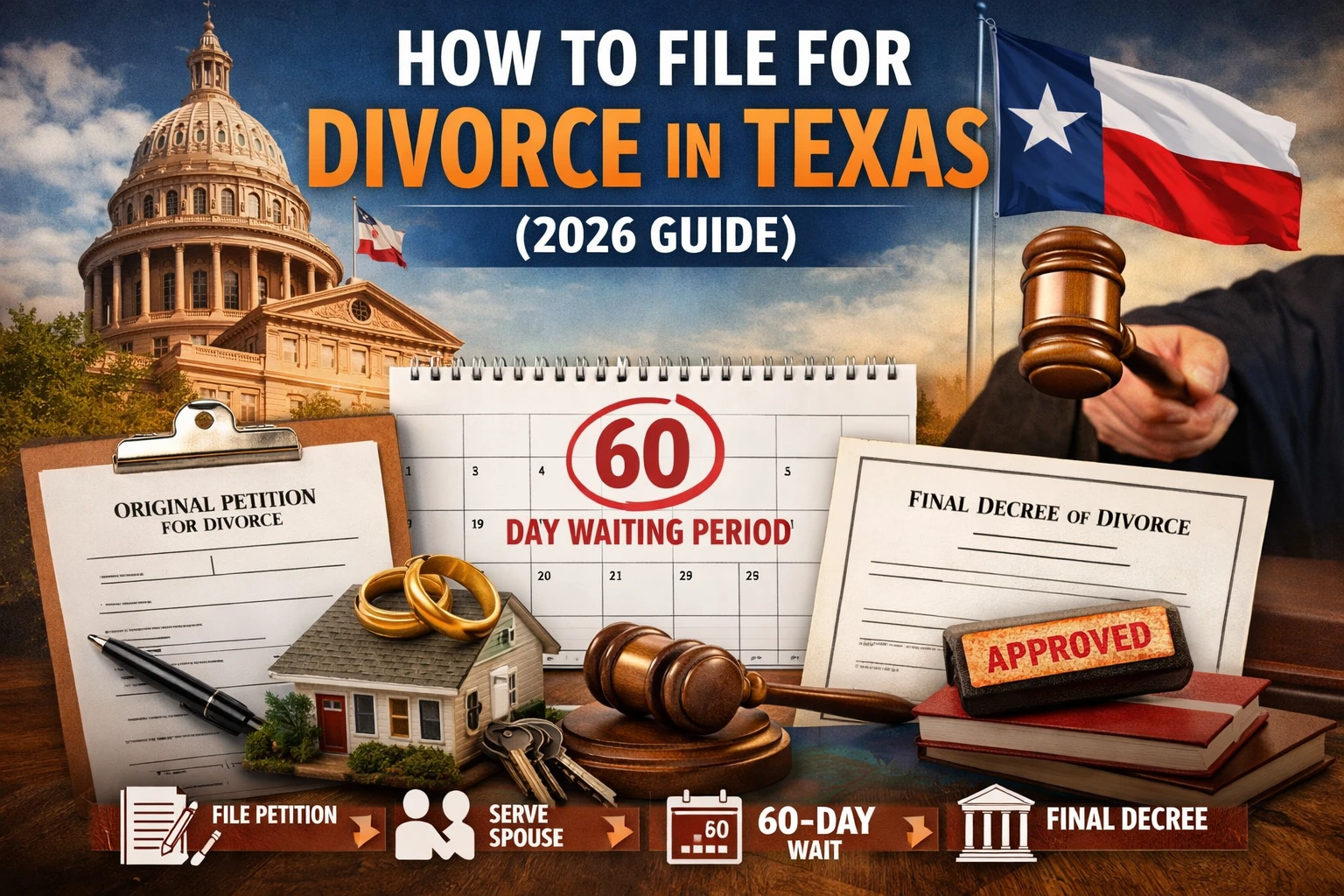
Texas also has a general 60-day waiting period after filing before a divorce can be finalized, with limited exceptions. An uncontested case can often move efficiently during that period when documents are complete and both spouses remain cooperative, but court availability and county procedures can affect timing.
Choose the Help That Matches Your Situation
The lowest sticker price is not always the lowest overall cost. Free forms can become expensive when errors cause delays. Mediation can feel costly when no major disagreement exists. Full attorney representation can be the right investment for a complex agreement, even though it costs more than a straightforward paperwork service.
For many couples, the practical path is simple: reach a complete agreement, use mediation only for the issues you cannot resolve on your own, and get organized support for the Texas filing and document process. Ready Divorce Service helps Texans who have reached agreement move forward with clear paperwork guidance and a process designed to reduce avoidable stress.
If you are unsure which path fits, start by identifying the one or two terms you still cannot settle. That answer usually tells you whether you need a mediator, legal advice, or simply dependable help completing an agreed divorce.
📞 Get Started Today – Your Peaceful Divorce Is Just a Click Away
When you’re ready to move on, we’re ready to help.
📲 Call us now at (800) 432-0018
🖥️ Start your divorce online today