Most people assume divorce means:
👉 Courtrooms
👉 Hearings
👉 Stress
But in Texas…
👉 You can often get divorced without ever stepping into a courtroom.
The key is understanding how the process actually works—and when court is still required.
⚖️ The Short Answer
👉 Yes, you can get divorced in Texas without going to court.
—but only in certain situations.
This typically applies when:
✔ Both spouses agree on everything
✔ There are no major disputes
✔ The paperwork is done correctly
This is called an:
For those wondering, Can You Get Divorced Without Going to Court in Texas? The answer is yes under specific conditions: you can often get divorced without ever stepping into a courtroom.
🔍 What Is an Uncontested Divorce?
An uncontested divorce means:
- Both parties agree on property division
- Both parties agree on children (if applicable)
- No trial is needed
👉 Instead of fighting in court…
👉 You submit a Final Decree of Divorce for approval.
🧾 How Divorce Works Without Court in Texas
Here’s how the process usually goes:
1. File the Original Petition for Divorce
One spouse files with the court to start the case.
2. Waiver of Service (or Agreement)
The other spouse signs a:
👉 Waiver of Service
This avoids formal service by a constable or process server.
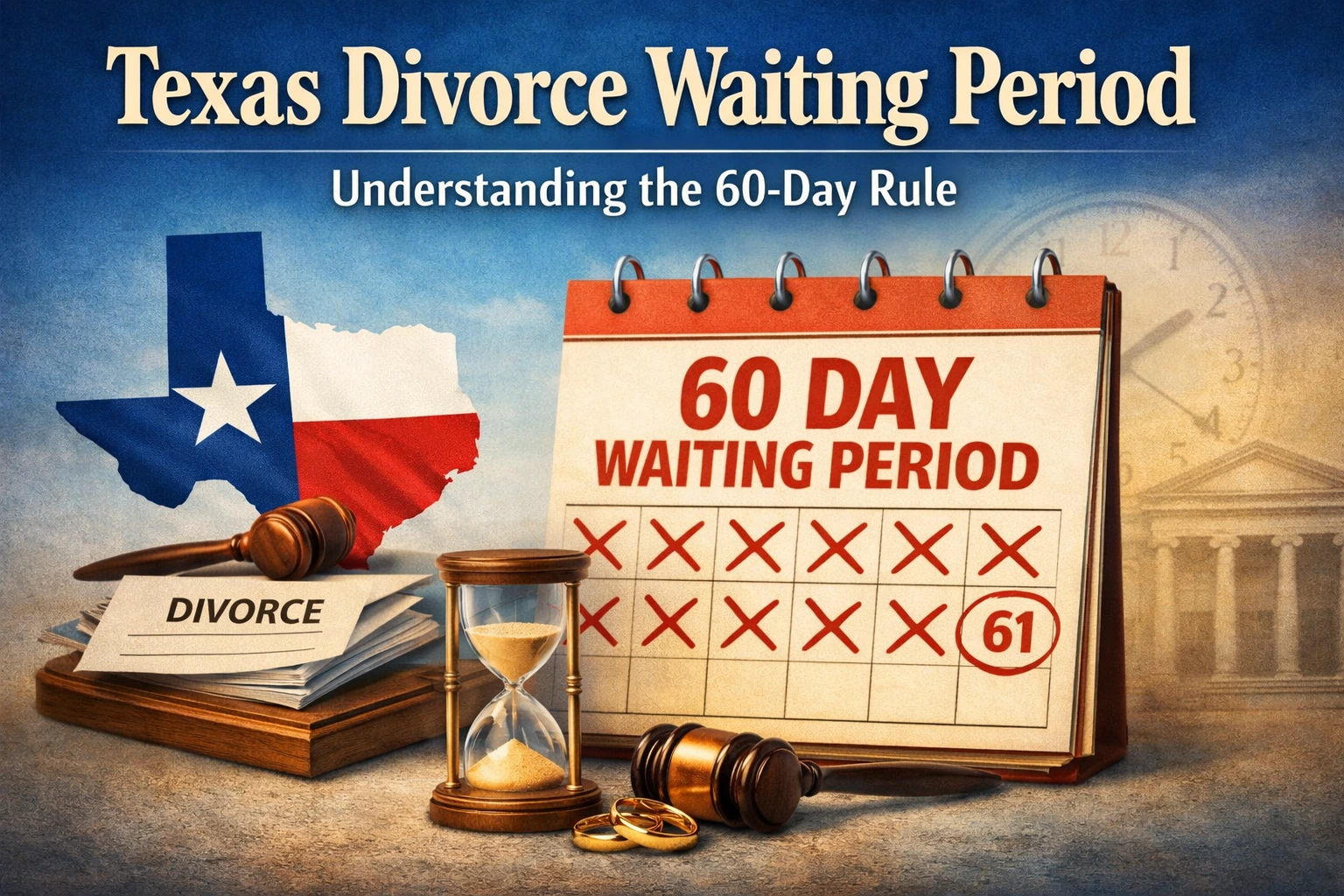
3. Complete the 60-Day Waiting Period
Texas law requires:
👉 A minimum 60-day waiting period (with limited exceptions)
4. Finalize the Divorce (Prove-Up or Affidavit)
This is where most people get confused.
🧠 Do You Still Have to “Go to Court” at All?
👉 Sometimes yes—but not like you think.
There are 2 common ways to finalize:
✅ Option 1: Prove-Up Hearing (Quick & Simple)
- Usually takes 5–10 minutes
- Only one spouse appears
- Often done via Zoom or short court appearance
👉 No trial
👉 No arguing
👉 No stress
✅ Option 2: Affidavit (No Appearance Required)
In some counties:
👉 You may finalize by affidavit
That means:
- No hearing
- No court appearance
- Just signed, notarized documents
⚠️ When You WILL Have to Go to Court
You cannot avoid court if:
❌ You and your spouse don’t agree
❌ There are disputes over children
❌ There are disputes over property
❌ One party refuses to cooperate
👉 At that point, it becomes a contested divorce
🚨 Biggest Mistakes People Make Trying to Avoid Court
This is where people get burned.
❌ 1. Thinking “No Court” Means No Legal Requirements
Even uncontested divorces must:
- Follow Texas law
- Include proper language
- Be fully complete
👉 Judges will reject bad paperwork.
❌ 2. Using Generic Forms
Online templates often:
- Miss required provisions
- Don’t match Texas standards
- Lead to rejected decrees
❌ 3. Rushing the Agreement
Trying to “just get it done” leads to:
- Bad terms
- Missing assets
- Long-term problems
❌ 4. Not Understanding the Final Decree
👉 The Final Decree is a binding court order
Once signed:
- It is enforceable
- It is difficult to change
- You are legally bound
⚖️ What Texas Judges Actually Care About
When approving your divorce, courts look for:
- Complete and accurate paperwork
- Clear, enforceable terms
- Proper handling of children (if applicable)
- Compliance with Texas law
👉 Not:
- Who is “right”
- Who is more emotional
- Who wants it faster
💡 Can You Create Your Own Divorce Agreement?
👉 Yes—and most uncontested divorces are done this way.
If both parties agree:
✔ Courts will usually approve it
✔ No trial is needed
✔ Minimal court involvement
🛑 What Happens If You Get It Wrong?
This is the part most people underestimate.
👉 If your decree is wrong:
- You may lose rights or property
- You may create future legal disputes
- You may need a modification case later
👉 And those are NOT simple.
✅ How to Get Divorced Without Court the RIGHT Way
✔ Make sure both parties fully agree
✔ Use Texas-specific, legally sound documents
✔ Be detailed and clear in your decree
✔ Understand what you’re signing
✔ Don’t cut corners
⚙️ How to Get Divorced Without Going to Court in Texas (Step-by-Step)
📝 Step 1: File the Original Petition for Divorce
One spouse starts the process by filing the Original Petition for Divorce with the appropriate Texas court.
✍️ Step 2: Have the Other Spouse Sign a Waiver of Service
In uncontested cases, the other spouse can sign a Waiver of Service instead of being formally served by a constable or process server.
⏳ Step 3: Complete the 60-Day Waiting Period
Texas law requires a minimum 60-day waiting period after filing before a divorce can be finalized (with limited exceptions).
📄 Step 4: Prepare the Final Decree of Divorce
Both parties must agree to and sign a complete, clear, and legally enforceable Final Decree of Divorce.
⚖️ Step 5: Finalize by Prove-Up Hearing or Affidavit
Depending on the county, the divorce may be finalized through a short prove-up hearing or by affidavit without appearing in court.
❓ Frequently Asked Questions About Divorce Without Going to Court in Texas

Q: Can you finalize a divorce in Texas without appearing in court?
A: In some cases, yes. Certain counties allow finalization by affidavit without a court appearance.
Q: What is a prove-up hearing?
A: A short, simple hearing where one spouse confirms the details of the divorce to a judge.
Q: Do both spouses have to go to court?
A: No. In uncontested divorces, usually only one spouse appears—or none if affidavit is allowed.
Q: How long does it take to finalize a divorce in Texas?
A: There is a mandatory 60-day waiting period, but many uncontested divorces finalize shortly after that.
Q: What if my spouse doesn’t agree?
A: The case becomes contested, and court involvement will be required.
📞 Need Help Getting It Done Right?
If you’re in Texas and want to make sure your divorce is handled correctly from start to finish:
👉 Visit and complete a Divorce Questionnaire
📞 Call: (469) 913-4000
Serving clients in:
Avoid the mistakes. Get it done right the first time.