When your divorce is agreed, the hardest part often is not the decision. It is the paperwork, the filing rules, and the worry that one small mistake will slow everything down. If you are looking for denton county divorce efiling help, the good news is that the process can be manageable when you understand what the court expects and what needs to happen first.
For many people, eFiling sounds simple until they actually start. A form gets rejected because a name does not match exactly. A required document is missing. A case is filed in the wrong county. Those problems are common, especially when someone is trying to handle an uncontested divorce without a clear roadmap. The goal is not just to submit documents online. The goal is to submit the right documents, in the right order, with the right information.
What Denton County divorce eFiling help usually means
Most people searching for Denton County divorce eFiling help are not asking how to click the submit button. They are asking how to get through the filing stage without confusion, delay, or extra expense.
In a Texas uncontested divorce, eFiling support usually involves understanding whether you qualify, preparing the initial petition correctly, making sure the case is filed in the proper county, and knowing what comes after filing. It may also include help with waiver documents, final decree preparation, child-related forms when children are involved, and the final prove-up process if required.
That distinction matters. Filing is one step in the larger process. If the paperwork itself is incomplete or inconsistent, an electronic filing system will not fix that. It may accept the submission, but the case can still stall later if the documents do not line up with Texas requirements or local court expectations.
Start with the county and residency rules
Before you file anything in Denton County, make sure your case belongs there. In Texas, at least one spouse must have lived in Texas for the last six months and in the county of filing for at least 90 days. If those residency rules are not met, filing too early can create a problem from the start.
For agreed divorces, this is one of the easiest issues to overlook because both spouses may be ready to move forward immediately. Readiness does not override residency. If you recently moved, the timing may matter more than you expect.
There is also a practical question. Even if Denton County is legally proper, you still want the rest of the case details to match the filing. Names, addresses, dates of marriage, dates of separation if listed, and child information should be consistent across every document. Small inconsistencies are one of the main reasons people end up reworking paperwork.
What you usually file first
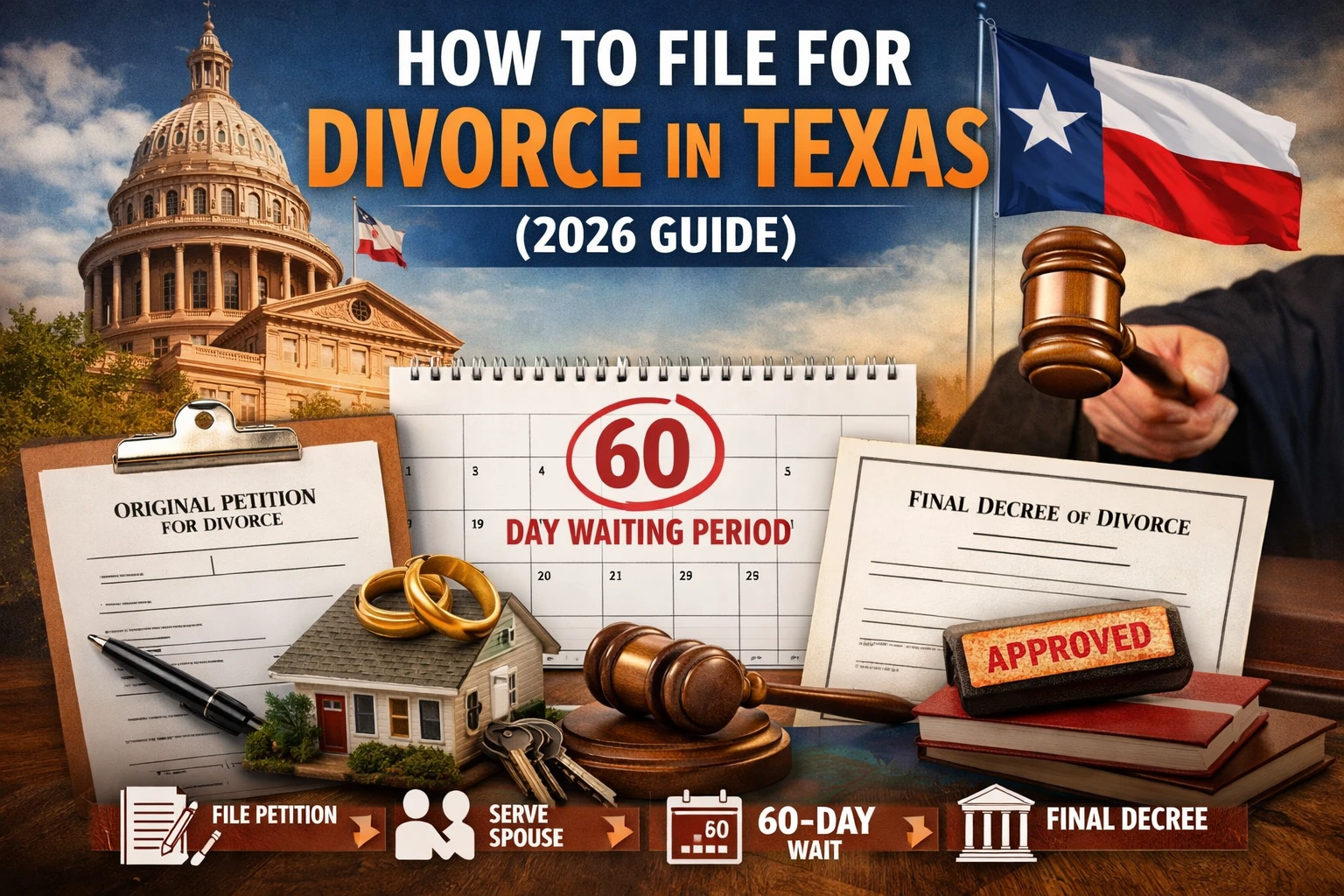
In most uncontested Texas divorces, the opening document is the Original Petition for Divorce. That document starts the case. Depending on your situation, there may be additional forms to prepare at the beginning or soon after, especially if children are involved or if one spouse plans to sign a waiver.
This is where a lot of self-filers run into trouble. They use a generic form that does not match their situation, or they include requests that conflict with what the couple actually agreed to. For example, a petition may ask for relief that is different from the final decree terms. That can create confusion later and lead to avoidable corrections.
Good filing practice is simple but strict. The petition should reflect the basic facts of the marriage, identify whether children are involved, and stay aligned with the outcome you want the court to approve. If the case is truly uncontested, the paperwork should read that way from beginning to end.
The most common eFiling mistakes in uncontested cases
The electronic system can make filing more convenient, but it does not make the legal process less exact. In Denton County, as in other Texas counties, the most common mistakes usually fall into a few categories.
One is document mismatch. A spouse’s name appears one way on the petition and another way on the waiver or decree. Another is filing incomplete documents, such as unsigned forms or documents missing required information. A third is procedural timing. People try to finalize before the 60-day waiting period has passed, or they assume filing the case means the divorce is nearly done.
There is also the issue of children. If the divorce involves minor children, the case usually requires more than just a basic petition and decree. Child support terms, conservatorship language, possession schedules, and health insurance provisions need to be addressed correctly. This is where uncontested does not always mean simple. The spouses may agree, but the agreement still needs to be presented in a form the court can accept.
Denton County divorce eFiling help for agreed cases with children
When children are involved, the stakes feel higher because they are higher. Parents are not just ending a marriage. They are creating a workable legal structure for parenting after divorce.
That means the filing documents need to do more than state that both people agree. They need to clearly cover conservatorship, possession and access, child support, medical support, and any other child-related terms the court expects to see. If those provisions are vague or incomplete, the final paperwork may not be approved as submitted.
This is one of those areas where saving money by staying uncontested still makes sense, but only if the documents are prepared carefully. A lower-conflict case can still become frustrating if parents have to revise orders because key provisions were left out or drafted inconsistently.
What happens after the case is eFiled
After the petition is accepted, the case is open, but it is not finished. The next steps depend on how the other spouse will participate. In an agreed divorce, the spouse may sign a waiver or file an answer. Which option makes sense depends on timing, comfort level, and the details of the case.
Then comes the waiting period. Texas generally requires a 60-day wait from the date the case is filed before the divorce can be finalized, with limited exceptions. During that time, the remaining documents should be prepared so the case is ready to move forward once the waiting period ends.
That usually includes the Final Decree of Divorce and any supporting forms needed for the court to complete the case. If there are children, additional paperwork may be required. If property division is involved, the decree needs to clearly state who receives what and who is responsible for any debts.
The practical point is this: successful eFiling is not only about opening the case. It is about preparing the full set of documents so the case can move from filing to finalization without unnecessary backtracking.
Why many people want procedural help instead of full representation
Not every divorce needs courtroom litigation or attorney-led conflict. When both spouses agree on the major terms, many Texans are simply looking for accurate paperwork, clear instructions, and a process they can afford.
That is why procedural support matters. It gives people a structured way to move through the case without paying for legal services they may not need in an uncontested matter. At the same time, it reduces the risk of common errors that happen when someone is trying to piece the process together alone.
There is a trade-off, of course. If the case is no longer agreed, if one spouse becomes uncooperative, or if there is a serious dispute over children, property, or safety, a more traditional legal approach may be necessary. But for straightforward agreed divorces, practical filing help can be the difference between a process that feels manageable and one that feels overwhelming.
When outside help makes the most sense
If you are confident about your agreement but not confident about the paperwork, that is usually the point where support has real value. The same is true if you have already started and hit a snag, such as a rejected filing, confusion about waiver timing, or uncertainty about final decree language.
A Texas-focused divorce document service like Ready Divorce Service can be especially helpful in those moments because the issue usually is not emotional indecision. It is process. You want the forms prepared correctly, the filing sequence to make sense, and the case to keep moving.
That kind of help is often most useful for working families, busy parents, and anyone trying to keep costs under control while still taking the legal side seriously. Affordable does not have to mean careless. Simple does not have to mean unsupported.
If your divorce is agreed and you need Denton County eFiling help, the smartest next step is to treat the process with the same care you would give any other major life change. A calm, accurate filing now can spare you a great deal of stress later, and help you move toward closure with fewer surprises.
👉 Contact us today for a free consultation and learn how clarity, communication, and cooperation can make all the difference in your divorce journey.
✅ Easy step-by-step guidance
✅ Flat-fee pricing — no surprises
📲 Call us now at (800) 432-0018