A divorce can feel simple on paper until one small filing mistake slows everything down. If you are trying to figure out how to avoid divorce filing errors in Texas, the best approach is not to rush. Most problems come from using the wrong forms, filing in the wrong county, missing required information, or turning in documents out of order.
For uncontested divorces, those errors are especially frustrating because the case may have been straightforward to begin with. When both spouses agree, the goal is usually to finish the process with as little conflict, delay, and expense as possible. That only happens when the paperwork is accurate and the filing steps match Texas requirements.
How to avoid divorce filing errors before you file
The biggest mistake often happens before the first document is even submitted. People assume that because their divorce is agreed, the process is informal. It is not. An uncontested divorce is usually simpler than a contested one, but the court still expects correct paperwork, proper service or waivers, and a final order that meets legal standards.
Start by confirming that your case actually fits the uncontested path. That means you and your spouse agree on the major issues, such as property division, debt allocation, and if applicable, child-related terms. If there is a major disagreement hiding in the background, filing as though everything is settled can create problems later when the final paperwork is reviewed.
You also need to confirm basic eligibility. Texas has residency rules, and the case must be filed in the proper county. If you file too early, or in the wrong place, the court may reject the filing or require corrections that cost time and money. This matters in busy counties such as Dallas, Tarrant, Harris, Bexar, Denton, Collin, and Ellis, where procedural expectations can be strict and local practices may differ.
Use the right Texas divorce forms
One of the most common filing errors is relying on a form packet that does not match the case. Texas divorces are not all the same. A couple with no children and limited property may need a very different set of documents than a couple with children, a house, retirement accounts, or a name change request.
Using the wrong version of a petition can create a chain reaction. The spouse may sign a waiver that does not match the filed petition. The final decree may include terms that were never properly requested. The clerk may accept the paperwork at first, only for the court to flag the issue later when you are trying to finish the case.
Accuracy matters just as much as choosing the correct form. Names should match across every document. Addresses, filing dates, and cause numbers should be consistent. If children are involved, the required identifying information and child-related provisions need to be complete. Small inconsistencies can create avoidable delays.
Do not guess on legal language
This is where many self-filers get tripped up. They know what they want to agree to, but they do not know how to phrase those terms in a way the court will accept. A decree is not just a note that says who gets what. It needs to clearly state the orders the judge is being asked to sign.
If property is being divided, the description should be specific. If a debt is assigned to one spouse, the wording should be clear enough to avoid confusion. If there are children, conservatorship, possession, support, and medical support terms need to be handled correctly. Vague language may lead to rejection or future disputes.
Pay attention to filing order and deadlines
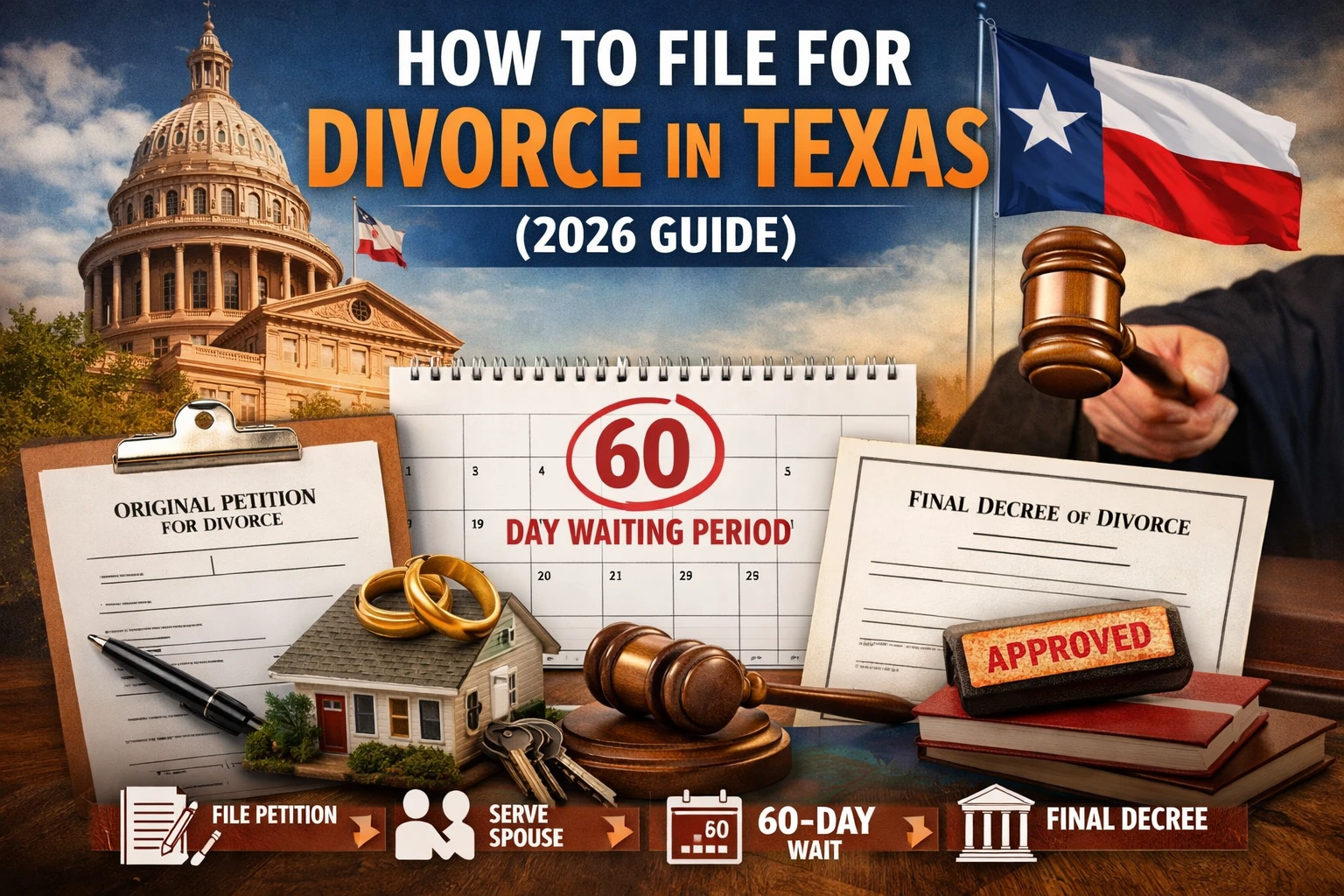
Another key part of how to avoid divorce filing errors is understanding sequence. In Texas, divorce documents are not just about what you file, but when you file it. The petition comes first. Then there may be service, waiver, or answer documents depending on the situation. The final decree comes later, and the case must still satisfy the required waiting period before it can be finalized in most situations.
People sometimes prepare everything at once and assume they can submit it in a bundle. That can backfire. Some documents should not be signed too early. Others need to be dated after the petition is filed. If a waiver of service is involved, timing matters. If the documents are signed in the wrong order, the court may require them to be redone.
Texas also has a 60-day waiting period in most divorce cases. That does not mean you should wait until day 60 to start preparing the final paperwork. It means the process should be organized carefully so that the case is ready when the waiting period ends.
Service and waiver mistakes cause major delays
Service issues are among the most common reasons a divorce gets stuck. If your spouse is not filing an answer and is instead signing a waiver, that waiver must meet Texas requirements. It also has to match the filed case. If formal service is required, it has to be completed properly.
A court cannot finalize a divorce just because both spouses verbally agree. The file has to show that the other spouse was properly brought into the case through an answer, waiver, or service. If that step is incomplete or defective, the final hearing can be delayed or denied.
Review the final decree like it is the most important document in the case
It usually is. Many people focus heavily on the initial filing and then treat the final decree as a formality. That is a mistake. The final decree is the order that controls what happens after the divorce. If it contains errors, missing terms, or conflicting provisions, fixing it later can be much harder than catching the issue before signing.
Read the decree slowly. Then read it again. Check every name, date, and property description. Make sure the terms match the actual agreement. If one spouse is keeping a vehicle, the decree should clearly identify it. If bank accounts are divided, the wording should leave little room for confusion. If the divorce includes children, the parenting and support sections should be complete and internally consistent.
This is also the time to make sure the decree does not promise something the court cannot or will not approve. Agreements still need to fit Texas law and court expectations.
County procedures matter more than people expect
Texas divorce law is statewide, but filing logistics can vary by county. Some counties have particular forms, scheduling procedures, prove-up requirements, or e-filing practices that affect how a case moves forward. A document that works smoothly in one county may need a different process in another.
That does not mean the law changes from county to county. It means the practical handling of your case can. If you ignore local procedure, you may end up with rejected filings, hearing delays, or extra trips to correct issues.
For many people, this is where experienced procedural guidance makes a real difference. A process-focused Texas divorce support service can help keep paperwork aligned with the county and the type of case you are filing, especially when you want an affordable uncontested divorce without the cost of full litigation.
The safest mindset is steady, not fast
People often make filing mistakes because they are trying to get the divorce over with as quickly as possible. That reaction is understandable. Divorce is stressful, and most agreed cases involve people who simply want closure. But speed without accuracy usually creates the very delays you were trying to avoid.
A better approach is to be methodical. Confirm eligibility. Use forms that fit the facts. Make sure filing dates, signatures, and supporting documents line up. Review the decree carefully before anyone signs. Double-check service or waiver requirements. If children, real estate, retirement, or detailed debt division are involved, pay even closer attention.
If you are unsure whether your paperwork is complete, that is the moment to get help, not after the clerk rejects a filing or a judge refuses to sign the decree. Ready Divorce Service works with Texans who want a simpler path through agreed divorce paperwork, and that kind of support can prevent avoidable setbacks before they become expensive problems.
The goal is not perfect legal vocabulary or courtroom experience. It is a clean, accurate filing that lets you move forward with less stress and fewer surprises. When you treat each document as part of a sequence instead of a stack of forms, the process becomes much more manageable.
📲 Call us now at (800) 432-0018