The first divorce form usually sets the tone for everything that follows. If the petition is incomplete, filed in the wrong county, or asks for terms that do not match the rest of your paperwork, the case can slow down fast. That is why many people looking for Texas divorce petition form help are not just asking where to find a form. They want to know how to fill it out correctly the first time and avoid expensive delays.
For an uncontested divorce in Texas, the Original Petition for Divorce is the document that opens the case. It tells the court who is involved, whether children are part of the case, and what basic relief is being requested. It does not finalize your divorce by itself, but it creates the foundation for the rest of the process. If that foundation is shaky, the final decree and filing steps often become more complicated than they need to be.
What the Texas divorce petition actually does
A petition is not your full divorce agreement. That point causes confusion for many Texans. The petition starts the case and gives the court essential information, but it is usually broad. In most uncontested divorces, the detailed terms are handled later in the Final Decree of Divorce and any related child support or parenting documents.
The petition typically identifies the spouses, confirms residency requirements, states whether the marriage has become insupportable, and notes whether there are children under 18 or still in high school. It may also include basic requests about property division, name restoration, and notice to the other spouse.
That last point matters. Even in a friendly divorce, the filing spouse usually has to address service, waiver, or another legally valid method of giving notice. People sometimes assume agreement means they can skip procedure. Texas courts do not see it that way.
Texas divorce petition form help starts with eligibility
Before you spend time filling out a petition, make sure your case is a fit for an uncontested divorce. The process is generally smoother when both spouses agree on the divorce itself and on the major terms, including property, debts, and if applicable, conservatorship, possession, support, and medical support for children.
You also need to meet Texas residency rules. Usually, one spouse must have lived in Texas for at least six months and in the county of filing for at least 90 days. If you file in the wrong county, the court may not be able to move the case forward properly.
This is one reason county-specific guidance can help. Filing steps and local court preferences can vary in practical ways, even when the statewide legal requirements are the same. A person filing in Dallas County may run into different procedural details than someone filing in Tarrant County or Harris County.
What information you need before filling out the petition
Most filing problems start before the form is even opened. People guess at dates, use inconsistent addresses, or forget that the petition has to match later documents. Taking a few minutes to gather the right information can save a lot of stress.
You will want full legal names, the date of marriage, the date of separation if relevant to your documents, current addresses, and residency details. If children are involved, you will also need complete information about the children, where they have lived, and whether there are existing court orders affecting them.
Property and debt details matter too, even if the petition itself does not list every item. The terms in your final paperwork should line up with what the petition generally requests. If you ask for one thing in the petition and divide things differently later, the court may want clarification.
Common mistakes people make on the petition
The most common mistake is using the wrong version of the form for the case. Texas divorce paperwork is not one-size-fits-all. A case with children is different from a case without children. A case involving real property, retirement division, or a request for name restoration may need extra care to keep everything consistent.
Another common problem is leaving out required details or checking boxes without understanding their effect. A form can look simple and still create issues. For example, requesting citation when the spouse plans to sign a waiver can affect how the process unfolds. The same is true when people choose language about property division that does not reflect their actual agreement.
People also make errors with party names. If a legal name is wrong on the petition, that mistake can follow the case from filing to final decree. Fixing it later is possible, but it takes time and can create avoidable paperwork.
Then there is the issue of children. When a divorce involves minor children, the court expects more than a basic statement that the parents agree. Child-related cases require careful handling of conservatorship, visitation, child support, and health insurance. The petition has to set the case up correctly so the final documents can be approved.
How the petition fits into an uncontested divorce timeline
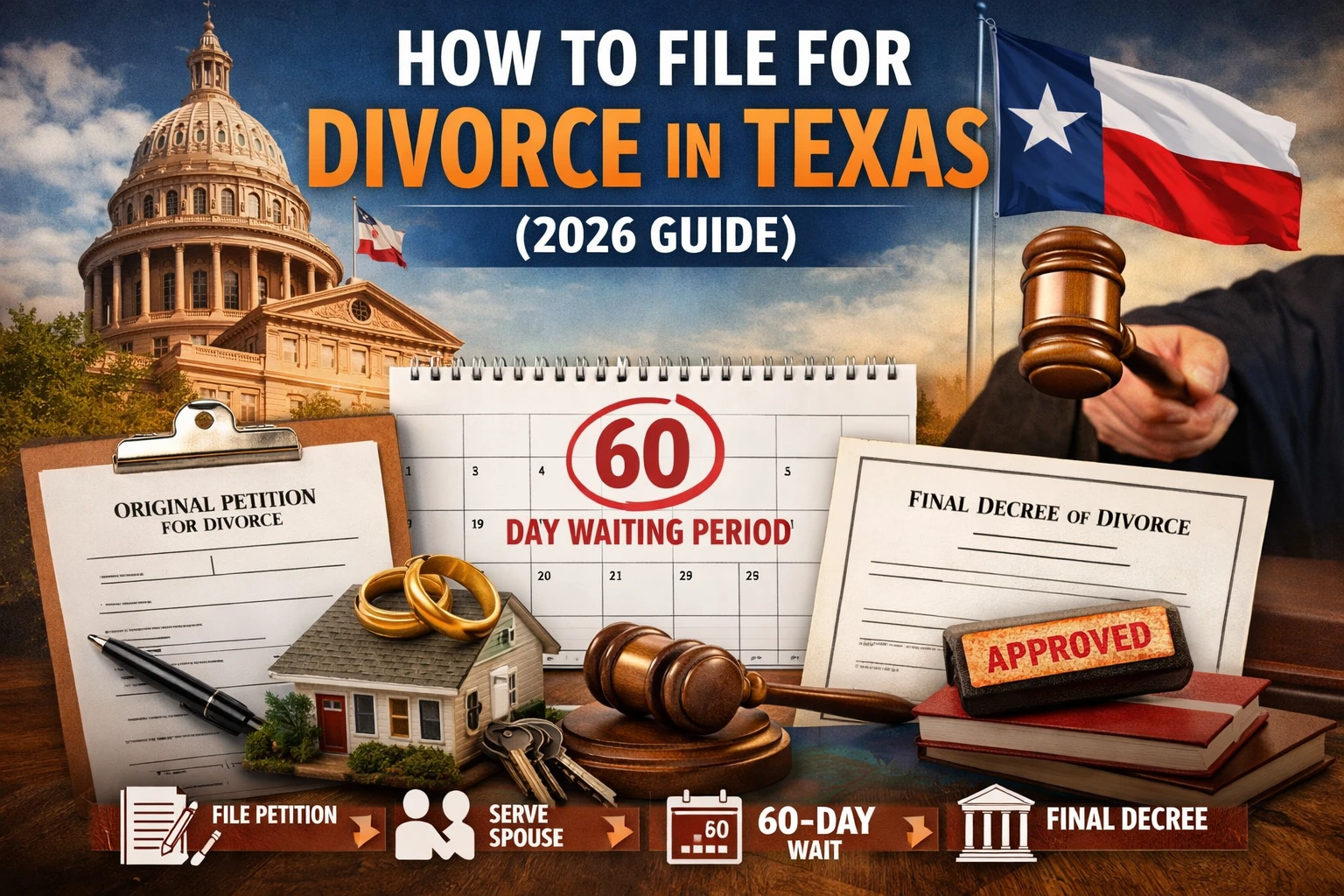
Once the petition is filed, the case is officially opened. Texas has a required waiting period in most divorces, which means the court generally cannot finalize the divorce until at least 60 days have passed from the filing date. That waiting period catches some people off guard. They assume that agreement means instant completion. Usually, it does not.
During that waiting period, the rest of the paperwork is prepared and signed. Depending on the case, that may include a waiver of service, final decree, support forms, and any county-specific filings required by the court. If the petition was prepared properly, the rest of the case tends to move more smoothly.
If the petition was unclear or incomplete, this is where problems often show up. The final documents may not match the opening filing. The clerk may reject something. A judge may require revisions. That can turn a simple uncontested divorce into a frustrating process.
When texas divorce petition form help is worth getting
Some people can fill out basic paperwork on their own, especially if the case is very simple and there are no children or real property involved. But simple does not always mean easy. Even agreed divorces can become stressful when you are trying to understand legal wording while also managing work, parenting, and the emotional strain of ending a marriage.
Support is often worth getting when the spouses agree on the outcome but want help with the documents, filing sequence, and procedural steps. That is especially true if children are involved, if one spouse will sign a waiver, if there is a house or retirement account to address, or if the filing spouse wants to avoid back-and-forth corrections.
This kind of help is not about creating conflict. It is about reducing mistakes and helping the case stay organized. For many Texans, that is the difference between feeling stuck and feeling like there is a clear path forward.
What to expect from practical Texas divorce petition form help
Good help should make the process clearer, not harder. You should understand which petition fits your case, what information belongs in it, and how it connects to the rest of the divorce documents. You should also get realistic guidance about filing, waiting periods, signatures, and court completion.
In an uncontested case, process matters just as much as paperwork. A correctly prepared petition is only part of the job. The rest is making sure the steps happen in the right order and in a way the court will accept.
That is where a Texas-focused service can make a real difference. Ready Divorce Service helps Texans handle agreed divorces with document preparation support and step-by-step guidance designed to keep the process affordable and manageable.
A few practical questions to ask before filing
Before you submit your petition, pause and ask whether you are filing in the correct county, using the correct form for a case with or without children, and requesting terms that match your actual agreement. Make sure names, dates, and addresses are accurate and consistent.
Also ask whether your spouse will need formal service or plans to sign a valid waiver. That decision affects timing and next steps. If there is any uncertainty, it is better to resolve it before filing than after the court has already opened the case.
Finally, be honest about complexity. If your divorce includes children, a house, retirement issues, or questions about county procedure, getting help early can be simpler and cheaper than fixing mistakes later.
Filing a divorce petition in Texas does not have to feel overwhelming. When the paperwork matches your situation and the process is handled carefully, an uncontested divorce becomes much more manageable. A steady, accurate start can give you something that matters right now – fewer surprises and a clearer way forward.
Get Started Today – Your Divorce Is Just a Click Away
If you’re in Texas and want your divorce handled quickly, correctly, and without unnecessary stress, we can help you from start to finish.
👉 Start here: Complete the Divorce Questionnaire
📞 Call now: (469) 913-4000