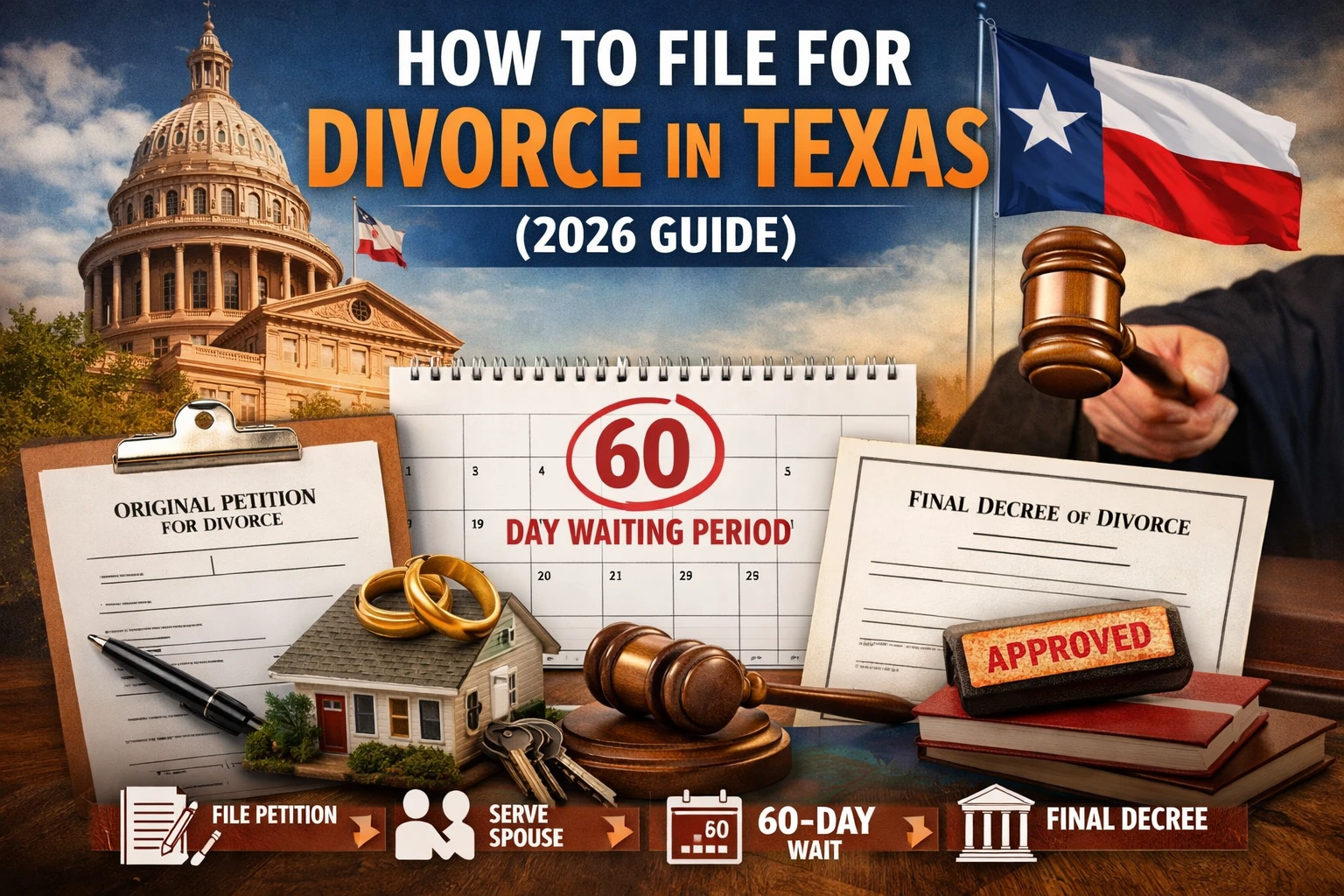
The moment you hand your spouse divorce papers can shape everything that comes next. If your goal is an uncontested divorce in Texas, that first step matters more than most people realize. Knowing how to serve divorce papers amicably can lower tension, reduce delays, and help both sides stay focused on finishing the case rather than fighting over the process.
In Texas, serving divorce papers is not just a courtesy issue. It is a legal step. The court must know the other spouse received proper notice of the case. But proper notice does not always mean a dramatic surprise at work or an embarrassing knock at the door. In many agreed divorces, there are calmer ways to handle it.
How to serve divorce papers amicably in Texas
If you and your spouse are already talking, the most peaceful option is often to avoid formal service altogether when the law allows it. In many Texas uncontested divorces, the responding spouse can sign a Waiver of Service after the case is filed. That document tells the court they received notice and do not require formal delivery by a constable, sheriff, or process server.
This approach is often the best fit when both spouses agree the marriage is ending, no one is hiding from the case, and both want to keep costs down. It can save money, reduce embarrassment, and remove the feeling that one spouse is trying to ambush the other.
That said, amicable does not mean casual. Timing and paperwork still matter. A waiver signed too early or prepared incorrectly can create problems. Texas courts expect the forms to be done the right way, and small mistakes can slow down an otherwise simple divorce.
Start with a direct conversation
Before the case is filed, it helps to have a clear and calm conversation with your spouse. This is not the time to rehash the marriage. It is the time to explain the process. Let them know you are filing for divorce, that you want to keep things respectful, and that you would prefer to use a waiver if they are comfortable doing that.
A few things make this conversation go better. Choose a private setting. Keep your tone steady. Be specific about what you are asking for. Instead of saying, “I’ll send you papers,” explain that Texas requires notice and that signing the correct form may help both of you avoid extra cost and stress.
If there is a history of intimidation, volatility, or emotional manipulation, this advice changes. In that situation, trying to keep things friendly should not come at the expense of safety or clear legal boundaries. Formal service may be the better option, even in a case that later becomes uncontested.
File first, then handle service correctly
One common mistake is trying to get a spouse to sign documents before the divorce petition is officially filed. In Texas, the waiver of service must generally be signed after filing, not before. That detail matters.
Once the Original Petition for Divorce is filed, the other spouse can review the filed paperwork and then decide whether to sign a waiver. If they agree, the waiver typically needs to meet Texas requirements, including proper wording and notarization. Courts are particular about this because service is tied to due process.
For that reason, many people benefit from having their documents prepared carefully and reviewed for procedural accuracy before they rely on a waiver. An agreed divorce works best when the paperwork is as organized as the conversation.
When a waiver is not the right fit
Even if you want to know how to serve divorce papers amicably, the answer is not always “use a waiver.” Sometimes one spouse says they agree to cooperate but never signs. Sometimes they delay for weeks. Sometimes they are fine with the divorce itself but uncomfortable signing legal documents without understanding them.
In those cases, formal service may be the practical next step. That does not mean the divorce has become hostile. It just means you need a reliable, court-accepted method to move the case forward.
You can still handle formal service in a respectful way. Let your spouse know in advance that service is coming. Tell them it is a legal requirement, not an attempt to embarrass them. Ask where and when they would prefer to receive the documents, if that flexibility is available through the process server. A short heads-up can make a formal step feel less personal and less confrontational.
Respectful formal service still counts as amicable
Many people assume that if a constable or process server is involved, the divorce is no longer peaceful. That is not necessarily true. Formal service is simply one method of legal notice. Plenty of agreed divorces start with formal service and end with a signed final decree.
If you go this route, the key is your approach. Avoid using service as leverage or punishment. Do not send someone to your spouse’s workplace just to make a point. Do not use family members or children to pass messages about the case. Keep the communication factual and brief.
The more your actions show that you are trying to complete the process, not escalate it, the easier it is to preserve cooperation for the rest of the divorce.
Practical ways to reduce conflict during service
Amicable service is about more than the legal method. It is also about tone, timing, and expectations. People tend to react badly when they feel blindsided, judged, or pressured.
If your spouse already knows the divorce is coming, give them a simple explanation of what to expect next. Let them know what documents they will receive and what they need to do after that. If you are pursuing an uncontested divorce, say that clearly. People are often less defensive when they understand that the goal is a fair, efficient resolution rather than a courtroom fight.
It also helps to separate emotional conversations from procedural ones. You may still have unresolved feelings about the relationship, but service is not the right moment to sort through those issues. Focus on the legal step in front of you. Short, calm communication usually works better than long explanations.
If children are involved, be especially careful. Service should never happen through a child, in front of a child, or in a way that puts the child in the middle. Protecting them from the legal mechanics of the divorce is one of the clearest ways to keep an agreed case on stable ground.
Texas-specific realities to keep in mind
Texas divorce procedure has its own rules, and local filing practices can vary somewhat by county. Whether you are filing in Tarrant County, Dallas County, Denton County, Collin County, Ellis County, Bexar County, or Harris County, the court still expects service or waiver to be handled properly.
That is where many amicable divorces get tripped up. The spouses may agree on everything, but the case stalls because a form was incomplete, signed at the wrong time, or filed incorrectly. A peaceful divorce still needs procedural accuracy.
For couples trying to keep costs low, this is often the best reason to get structured help with the paperwork. You may not need full litigation. You do need a process that complies with Texas rules.
If your spouse is open, make the next steps easy
Once service is complete, whether by waiver or formal delivery, the rest of the uncontested process becomes much easier if both sides stay organized. Share drafts promptly. Review the final decree carefully. Be realistic about timelines, including Texas waiting period requirements. The fewer surprises you create, the easier it is for the case to stay cooperative.
If you are unsure which service method fits your situation, it often helps to think in terms of reliability rather than emotion. A waiver is great when your spouse is responsive and willing to sign correctly. Formal service is better when cooperation is uncertain. The right choice is the one that keeps the case moving while preserving as much respect as possible.
Ready Divorce Service works with Texans who want a lower-conflict, affordable path through an agreed divorce, and this is exactly where clear guidance can make a difference. When the documents are prepared correctly and the service step is handled thoughtfully, the entire case tends to feel more manageable.
Serving divorce papers amicably will not erase the difficulty of ending a marriage, but it can set a better tone for everything that follows. When you treat the process with clarity, respect, and attention to Texas procedure, you give yourself the best chance to move forward with less stress and fewer setbacks.
📲 Call us now at (800) 432-0018