When people say they want a simple divorce, what they usually mean is this: they do not want paperwork mistakes slowing everything down. That is why the best ways to prepare divorce documents are usually not about doing more. They are about doing the right things, in the right order, with clear information from the start.
If you are pursuing an uncontested divorce in Texas, document preparation matters more than most people expect. Courts want complete, accurate paperwork. Small errors like missing dates, inconsistent names, or leaving out required terms can create delays you could have avoided. The process feels much more manageable when you treat the documents as a step-by-step project instead of a legal guessing game.
Best ways to prepare divorce documents before you file
A smoother case usually starts before the first form is filled out. The strongest preparation happens when both spouses are aligned on the core terms and the filing spouse understands the Texas requirements that apply to the case.
1. Confirm that your case is truly uncontested
This is the first filter, and it saves people a lot of time. An uncontested divorce generally means both spouses agree on the major issues, including property division, debt division, and, if children are involved, conservatorship, possession, support, and medical coverage. If those terms are still unsettled, the paperwork can quickly become incomplete or inconsistent.
Some couples are mostly in agreement but still have one or two unresolved points. That can be workable, but it depends on whether those issues are minor or whether they affect the final decree in a major way. If the core terms are not settled, preparing divorce documents too early often leads to revisions, frustration, and delays.
2. Gather your information before touching the forms
One of the best ways to prepare divorce documents is to collect the facts first. That includes full legal names, addresses, dates of marriage and separation, children’s information, details about real estate, vehicles, bank accounts, retirement accounts, loans, and credit card debt.
This sounds basic, but it is where many filing problems begin. People often try to complete forms from memory, then realize later that account names, VIN numbers, property addresses, or child support details were entered incorrectly. The more complete your information is upfront, the more accurate the paperwork will be.
It also helps to keep your documents in one place, whether that is a physical folder or a clearly labeled digital file. When the court requires revisions or signatures, organization cuts down on stress.
3. Use Texas-specific forms and case language
Divorce paperwork is state-specific for a reason. Texas has its own required forms, timelines, and legal wording. Using generic online templates or documents built for another state can create serious problems, even when the case itself is simple.
This is especially true in agreed divorces involving children or real property. The final decree has to reflect Texas law and the terms the court expects to see. If the wording is too vague, or if required provisions are missing, the judge may not sign off as quickly as you hoped.
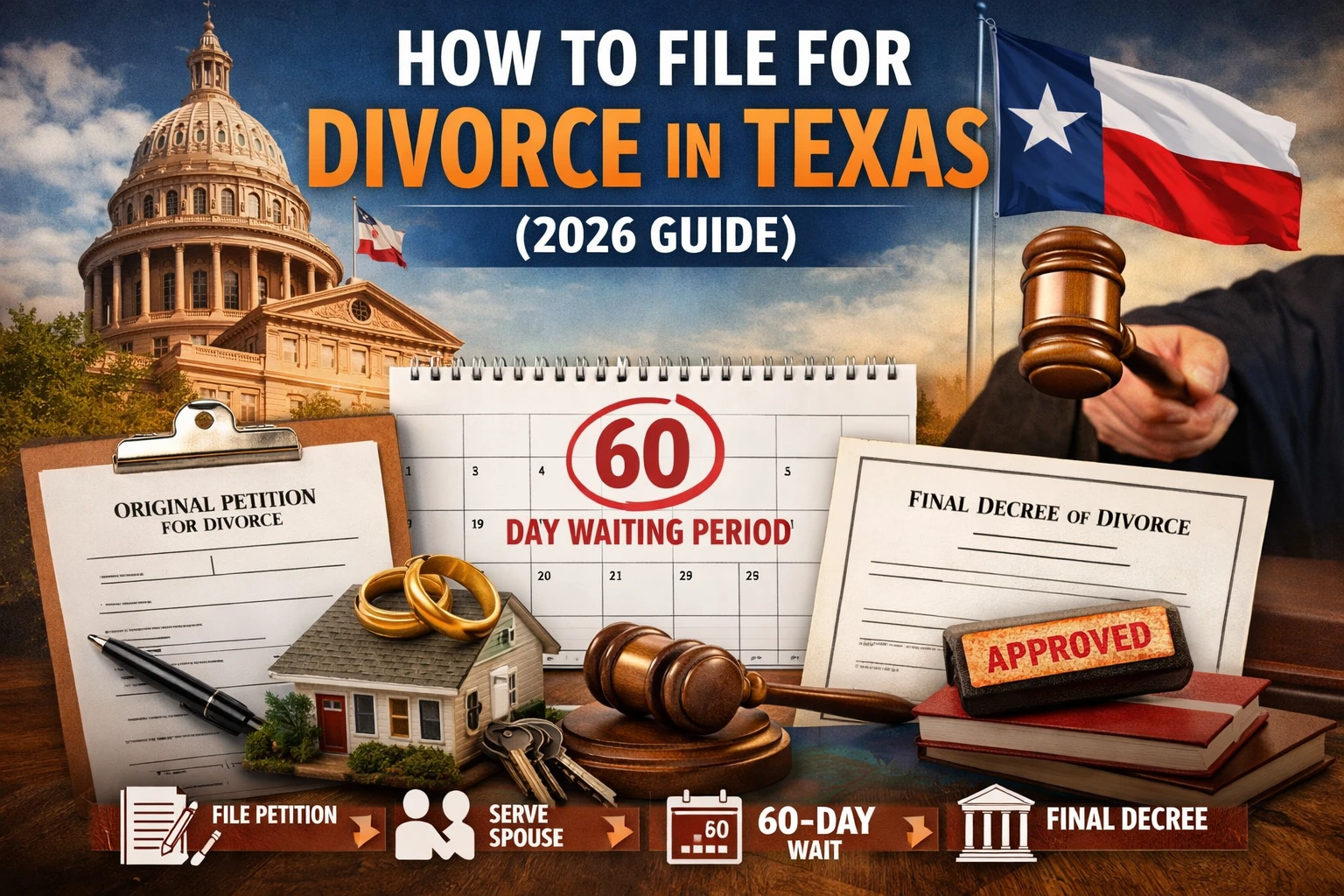
For Texas residents, the smartest approach is to prepare documents that match Texas procedure from the beginning. That includes the Original Petition for Divorce, waiver or answer documents where appropriate, and the Final Decree of Divorce. Depending on the case, additional forms may also be required.
Best ways to prepare divorce documents accurately
Accuracy is what keeps an agreed divorce moving. Courts do not expect perfection from stressed-out people, but they do expect consistency and completeness.
4. Make sure every document tells the same story
A common issue in divorce filings is inconsistency between forms. Maybe one document spells out a middle name and another uses an initial. Maybe the petition says there are no children of the marriage, but the decree includes child-related terms. Maybe one form lists a county of residence that does not match the filing details.
These are fixable issues, but they can slow things down. Before filing, read the full set of documents as one package. Check names, addresses, dates, property descriptions, and the agreed terms. If one form says something different from another, that inconsistency should be corrected before it reaches the clerk or the judge.
This is also where people benefit from procedural guidance. Even when spouses agree, translating that agreement into court-ready language is not always straightforward.
5. Be specific about property, debt, and child-related terms
Vague language creates future problems. If a vehicle is being awarded to one spouse, identify it clearly. If one person is keeping a bank account, name it clearly. If a debt is assigned to one spouse, say exactly which debt.
The same is true when children are involved. Parenting terms, support amounts, and health insurance responsibilities need to be stated clearly enough that everyone understands the obligation. Courts want orders that can be followed, not broad promises that leave room for dispute later.
There is a balance here. Documents should be detailed enough to be enforceable but not cluttered with unnecessary language. Clear, practical wording usually works best.
6. Review county filing requirements and procedural steps
Even within Texas, local filing practices can vary. The underlying law is statewide, but clerks and courts may have different preferences for submission, scheduling, or supporting forms. That matters if you are filing in places like Tarrant County, Dallas County, Denton County, Collin County, Ellis County, Bexar County, or Harris County.
This does not mean the law changes from county to county. It means the filing process can feel different in practice. Some courts are more structured about prove-up settings or document formatting. Others may have local procedures that are easier to manage when you know them in advance.
If you skip this step, you may still have the right documents but run into administrative delays. One of the most practical ways to prepare divorce documents is to pair the paperwork with a clear understanding of where and how it will be filed.
How to avoid the mistakes that cause delays
Most delays in uncontested divorce cases do not happen because the divorce is contested. They happen because the paperwork package is incomplete, inconsistent, or not ready for the next step.
One frequent problem is leaving blanks in forms that should be completed or marked not applicable. Another is signing too early, signing in the wrong place, or forgetting that some documents may need to be dated carefully based on filing sequence. People also underestimate the Texas waiting period and assume that filing means the divorce is almost done. In reality, preparing documents correctly includes planning for the full timeline, not just the first submission.
Another issue is trying to force a one-size-fits-all form onto a case that has children, real estate, retirement accounts, or detailed settlement terms. Simpler cases can often move quickly, but not every agreed divorce is simple on paper. The more moving parts you have, the more important accuracy becomes.
When support makes the process easier
There is a big difference between wanting an affordable divorce and wanting to figure out every form alone. Many Texans are comfortable handling an agreed divorce without full litigation, but they still want help preparing documents correctly and understanding the filing steps.
That is often the middle ground that makes the most sense. If your case is uncontested, process-focused support can reduce mistakes, save time, and take some pressure off during an already stressful period. Ready Divorce Service is built around that need, helping Texas clients complete agreed divorce paperwork with more clarity and less confusion.
For many people, the real goal is not just finishing documents. It is getting through the process with confidence that the paperwork reflects the agreement, meets Texas requirements, and will not create avoidable setbacks.
A better approach is calm, organized, and realistic
The best ways to prepare divorce documents are not flashy. Confirm the case is truly agreed. Gather complete information. Use Texas-specific paperwork. Keep the language consistent. Be precise about terms. Follow the filing process your county expects.
That approach may sound simple, but simple is what works. When divorce paperwork is prepared carefully, the entire process tends to feel less overwhelming and far more manageable. A steady start usually leads to a cleaner finish, and that can make it easier to focus on what comes next.
📞 Get Started Today – Your Peaceful Divorce Is Just a Click Away
When you’re ready to move on, we’re ready to help.
📲 Call us now at (800) 432-0018
🖥️ Start your divorce online today