Most people who search for a low conflict divorce Texas option are not looking for a perfect breakup. They are looking for a workable one. They want to stop arguing, protect their money, keep life stable for their kids if they have them, and get through the legal process without turning every step into a fight.
That goal is realistic in many Texas divorces. But it only works when both spouses are willing to treat the case like a problem to solve instead of a battle to win. A low-conflict divorce is not about pretending everything is fine. It is about reducing unnecessary friction so the divorce can move forward with less stress, less expense, and fewer procedural mistakes.
What a low conflict divorce in Texas really means
In practical terms, a low-conflict divorce in Texas usually overlaps with an uncontested divorce. That means both spouses agree to end the marriage and agree on the major terms. Those terms often include property and debt division, whether either spouse will change their name, and if children are involved, conservatorship, possession schedules, child support, and medical support.
The key point is agreement. If the big issues are already resolved, or close enough that they can be resolved cooperatively, the process is usually much simpler than a contested court fight. Texas still has legal requirements, filing rules, and waiting periods. Low conflict does not mean informal. It means the case moves through the system without avoidable disputes.
Some couples also assume low conflict means both people have to file together or stay in the same room for every decision. That is not true. Many agreed divorces are handled with limited direct interaction. Clear paperwork, calm communication, and a structured process often matter more than whether the spouses are personally getting along.
When low conflict divorce Texas is a good fit
This approach is often a good fit when both spouses want the divorce, both are willing to disclose basic financial information honestly, and neither person is trying to delay the case for leverage. It also helps if both people understand that spending thousands of dollars to argue over smaller issues rarely creates a better outcome.
For many Texans, affordability is a major reason to choose a lower-conflict path. Traditional litigation can become expensive quickly, especially when every disagreement turns into a motion, hearing, or attorney letter. If the case can be resolved through agreed terms and properly prepared documents, the savings in money and time can be significant.
It can also be a good fit for parents who want to reduce the emotional strain on children. Kids usually do better when the adults keep communication respectful and avoid pulling them into adult conflict. A low-conflict case will not erase the difficulty of divorce, but it can remove some of the instability that comes from constant fighting.
That said, this route is not right for every case. If there is family violence, intimidation, hidden assets, serious power imbalance, or complete refusal to cooperate, low conflict may not be realistic or safe. In those situations, stronger legal intervention may be necessary.
Why agreed cases still go off track
Many divorces start with good intentions and then become more difficult than expected. Usually, it is not because the law is impossible. It is because the details were never fully discussed.
A spouse may say, “We agree on everything,” but then realize no one decided who keeps a retirement account, who refinances the house, how unpaid credit card balances are handled, or what holiday parenting time will look like. Those are not minor details. They are the terms that make the divorce order enforceable and workable.
Another common problem is delay. One spouse agrees in principle but never signs, never reviews documents, or keeps changing positions. That does not always mean the case is doomed, but it does mean the process needs structure. A lower-conflict divorce works best when there is a clear sequence of steps and each person understands what must happen next.
The Texas process is simpler when the case is agreed
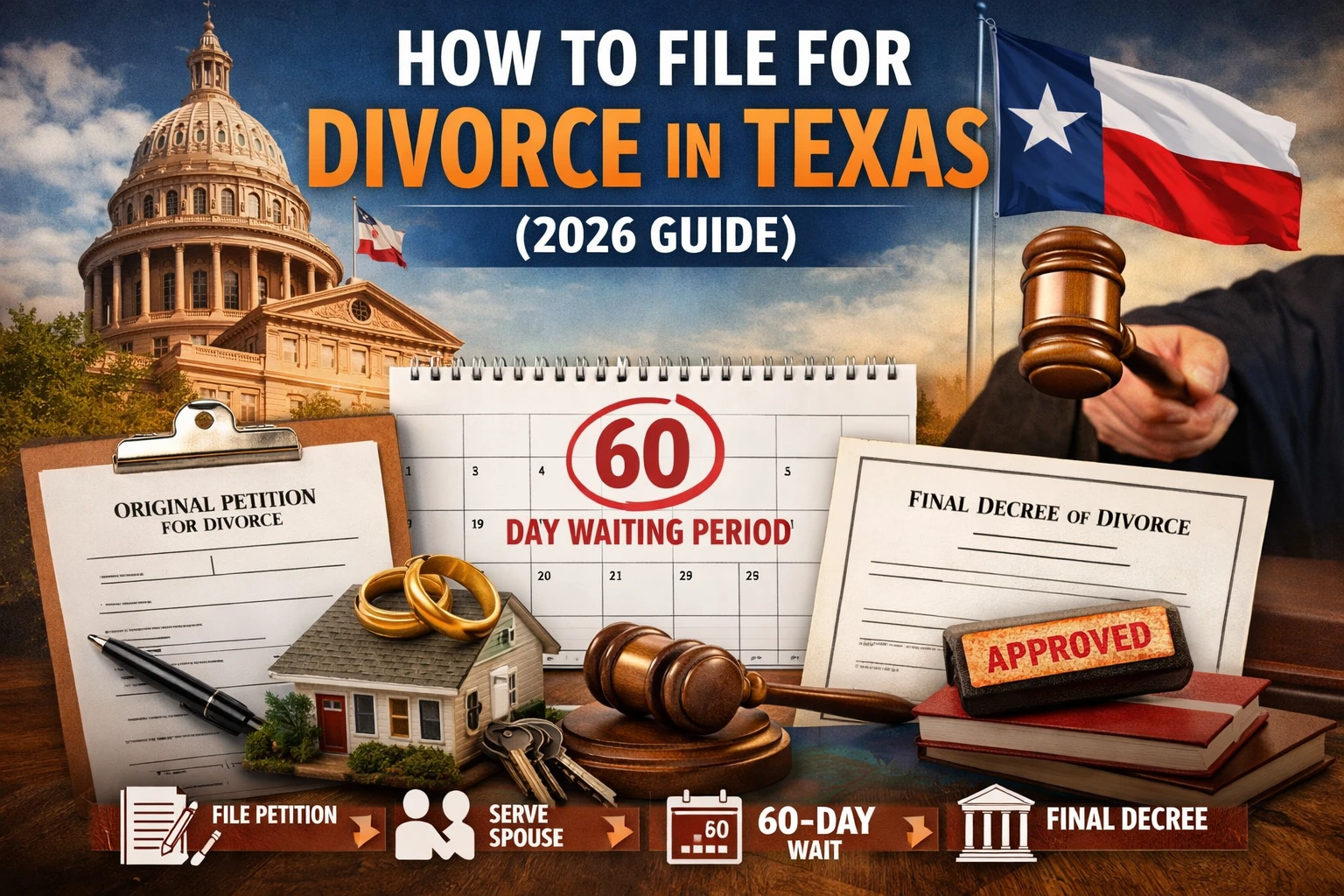
Texas law still requires a formal legal process, even in a peaceful divorce. One spouse files the Original Petition for Divorce. There are notice and waiver issues to handle correctly. The case must meet residency requirements. There is also a 60-day waiting period in most cases before the divorce can be finalized.
If children are involved, the paperwork becomes more detailed because the final orders must address parenting and support issues clearly. If there is a house, retirement, or complex debt, the agreement needs careful wording so the final decree matches what the parties actually intend.
This is where many people feel stuck. They do not necessarily need courtroom litigation, but they do need help understanding the steps, preparing the right documents, and avoiding mistakes that cause rejection or delay. A process-oriented divorce support service can be especially useful in that middle ground.
How to keep conflict low while the divorce moves forward
The best low-conflict divorces are usually not the ones with no emotion. They are the ones with boundaries. Keep communication focused on decisions, dates, and documents. If a conversation starts drifting into old arguments, bring it back to the specific issue that needs an answer.
It also helps to make decisions in writing whenever possible. Written communication creates a record, slows down reactive responses, and reduces confusion. Short, neutral messages tend to work better than long emotional explanations.
For parents, consistency matters. If you and your spouse are trying to maintain a low-conflict process, avoid making changes to the children’s routine without discussion unless there is an emergency. Predictability lowers stress for everyone.
Timing matters too. Some people think rushing will reduce conflict, but rushing often creates new disputes because no one had time to review the details. On the other hand, dragging the process out can keep wounds open and invite more disagreement. The better approach is steady progress.
Cost, speed, and trade-offs
One reason people look for a low conflict divorce Texas solution is simple: they want to avoid paying more than necessary. That is a sensible goal. An agreed divorce is usually faster and less expensive than a contested case, especially when the paperwork is prepared correctly from the start.
But low conflict does involve trade-offs. It depends on both spouses being willing to compromise. You may not get every term exactly the way you would choose in a courtroom demand letter. In exchange, you may gain quicker resolution, lower fees, and far less emotional wear.
That trade-off is often worth it, especially when the disputed issues are practical rather than high stakes. Spending months fighting over household items or trying to punish the other spouse through the process usually costs more than it returns.
What people should have ready before starting
A smoother divorce starts with better information. Before moving forward, it helps to gather a basic list of assets, debts, income information, and any existing child-related arrangements. If one spouse is keeping the home or a vehicle, there should be a realistic plan for who will pay, refinance, or transfer what.
If children are involved, parents should think beyond general statements like “we will share custody.” Texas orders need specifics. That includes conservatorship language, possession schedules, support terms, and practical details that reduce future disputes.
For people filing in counties with busy dockets, including places like Dallas County, Tarrant County, Denton County, Collin County, Harris County, Bexar County, and Ellis County, accurate paperwork can make a real difference in keeping the case moving. Courts may vary in local procedures, but confusion and missing information cause problems almost everywhere.
Support can reduce conflict too
A lot of conflict in divorce is not really about anger alone. It is about uncertainty. When people do not understand what form comes next, what a deadline means, or whether the agreement is complete, stress rises and communication gets worse.
That is why practical support matters. When the process is explained step by step, decisions are easier to make and mistakes are easier to avoid. For couples and individuals who qualify for an uncontested case, that kind of structure can help preserve a lower-conflict path.
Ready Divorce Service focuses on exactly that kind of support for Texans who want a more affordable, organized way to complete an agreed divorce. For many people, having guidance through the paperwork and filing steps is what keeps a manageable case from becoming a needlessly difficult one.
A low-conflict divorce does not require a perfect relationship at the end. It requires enough cooperation to make clear decisions, complete the legal steps properly, and leave the process with fewer scars than a courtroom fight would have created.
📲 Call us now at (800) 432-0018